
I’ve been thinking a lot about the space between friction and flow—how the tiniest constraints can either drain our energy or create just enough structure to help us stay grounded. In this week’s conversation with Matthew, that theme kept showing up in different forms: time windows, sleep patterns, journaling, old ideas that suddenly feel new again, and the role AI now plays in clearing space for the work that actually matters.
Episode 8 of our podcast (now renamed as Reflective Practice Radio) is one of those conversations where we didn’t plan a theme, but one emerged anyway. And it feels essential right now.
This episode is one of the most honest and wide-ranging conversations we’ve had so far. If you’ve ever wrestled with:
- the tension between creativity and rest,
- the challenge of keeping track of your inner life,
- or the question of how to use AI without losing yourself in the process—
—You’ll probably find something useful here.
Small Windows, Real Progress
Both of us have been feeling how dramatically the creative landscape has shifted. You don’t need a whole weekend to move a project forward anymore.
You need a focused hour.
Maybe even less.
For Matthew, that window opens after he puts his daughter to bed. For me, it happens first thing in the morning—before the world pulls me into meetings, pings, or whatever crisis is unfolding that day. What struck us is how differently those windows feel when AI removes the grunt work that used to fill them.
It’s not that we magically have more time.
It’s that our existing time is finally usable.
And that changes motivation. Side projects that used to die from friction suddenly feel possible again.
The Cost of Pushing Too Hard
But there’s a shadow side to this new speed. The tools move fast, but our bodies don’t.
In the episode, Matthew shared how he recently stayed up working until 2 a.m.—excited, productive, flowing—and woke up with a sleep score of 52. I’ve been there. Most of us have. You think you’re squeezing in “one more hour,” but what you’re actually doing is borrowing energy from tomorrow.
The tricky part?
Your mind doesn’t always tell you the truth in the moment.
It tells you you’re fine.
It tells you you’re just “a little tired.”
It definitely doesn’t remind you that your Tuesday dinner was a massive plate of Brazilian food at 9 p.m., and maybe that’s why you slept terribly.
Without tracking, these patterns evaporate.
With tracking, they become visible—and changeable.
You Can’t Rest With an Open Loop in Your Head
One idea we kept returning to was how hard it is to fall asleep when your brain is holding too many open loops. It doesn’t matter if you turned off the lights and closed the laptop. If you were working on something exciting right up until bedtime, your brain is still sprinting long after your body has given up.
So I’ve learned to do something simple:
Get the thoughts out.
Sometimes that means journaling before bed.
Sometimes it means a few bullet points on my phone.
Sometimes it means capturing the very first thought I have when I wake up—before it gets swallowed by the day.
It’s amazing how often those little fragments become the seeds of a future idea.
Journaling as a Daily Stand-Up with Yourself
A big part of this episode is about journaling—not as a performative habit or a trendy productivity hack, but as a form of self-maintenance.
We track the health of our software projects better than we track the health of our own lives.
And that’s a problem.
If you ask anyone what their team committed on Tuesday, they can pull up Git logs, sprint boards, and meeting notes. Ask them what they felt on Tuesday, and they have nothing to say. No data. No breadcrumbs. Just vibes.
This is why a few of us at Improving are building an AI-assisted journaling workflow right into our IDEs.
Not to automate reflection, but to support it:
- Ask a few good questions
- Capture the raw thoughts
- Summarize them
- Surface patterns over time
It doesn’t replace awareness—but it gives awareness something to hold onto.
Old Ideas Become New When You’re Ready
One of my favorite parts of the episode is when we talk about old ideas clicking at the right moment. Stoicism, SOLID principles, timeless patterns—none of these are new. But your relationship with them changes as you change.
No one steps into the same river twice.
No one reads the same idea twice, either.
Sometimes the explanation someone else gives is the one that finally lands. Sometimes you become the person whose explanation unlocks it for others. That’s the beauty of sharing your experience: the theory isn’t new, but the expression is uniquely yours.
What Do We Actually Want to Make Easier?
We ended the conversation with a subtle but essential question:
What should be made easier, and what shouldn’t?
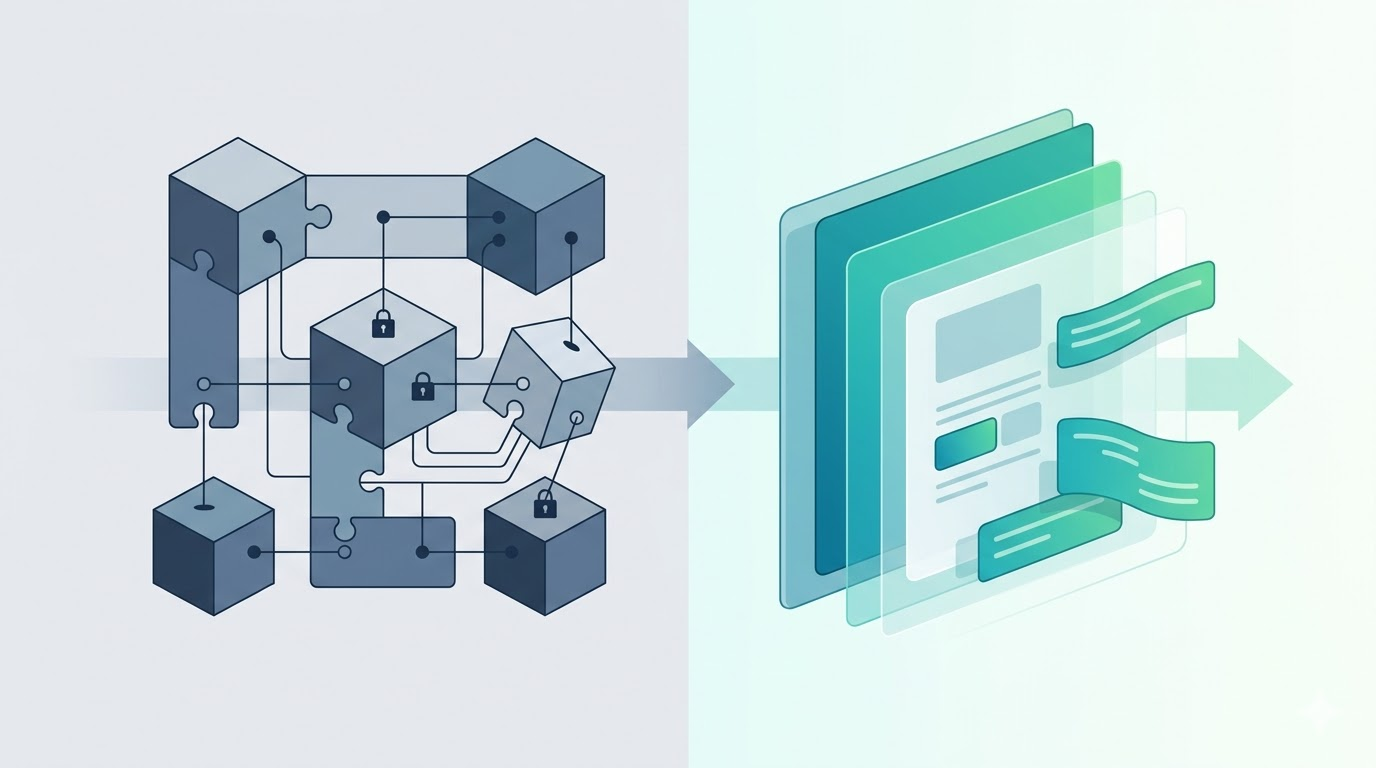
AI can make everything frictionless if we let it—but that’s not always good.
In fact, effort is often the point.
Removing the wrong kind of friction frees us up.
Removing the correct type of friction robs us of growth.
A game with no difficulty isn’t a game.
A life with no resistance isn’t a life.
So what we want isn’t “easy.”
What we want is clear space to do the hard things well.



Leave a Reply