
I’ve been thinking a lot lately about the relationship between pace and sustainability. The image that keeps coming back to me is racing.
When you push a car or a motorcycle to its limits—full acceleration, late braking, high RPMs—you’re stressing every system. Brake pads wear faster. Engines run hotter. Parts need more frequent checks. You can’t keep that pace forever. At some point, you have to slow down, inspect what’s been stressed, replace what’s worn, and learn from the last stretch before going again.
That analogy has felt uncomfortably familiar these past few months.
Running Hot
A few months ago, I started my newsletter. Once a week, every week. No skips. At the same time, I kept publishing blog posts—sometimes one, sometimes three, sometimes five in a single week.
It was intense. Productive. Energizing, even.
I had a system. I had momentum. And for a while, I didn’t question the pace.
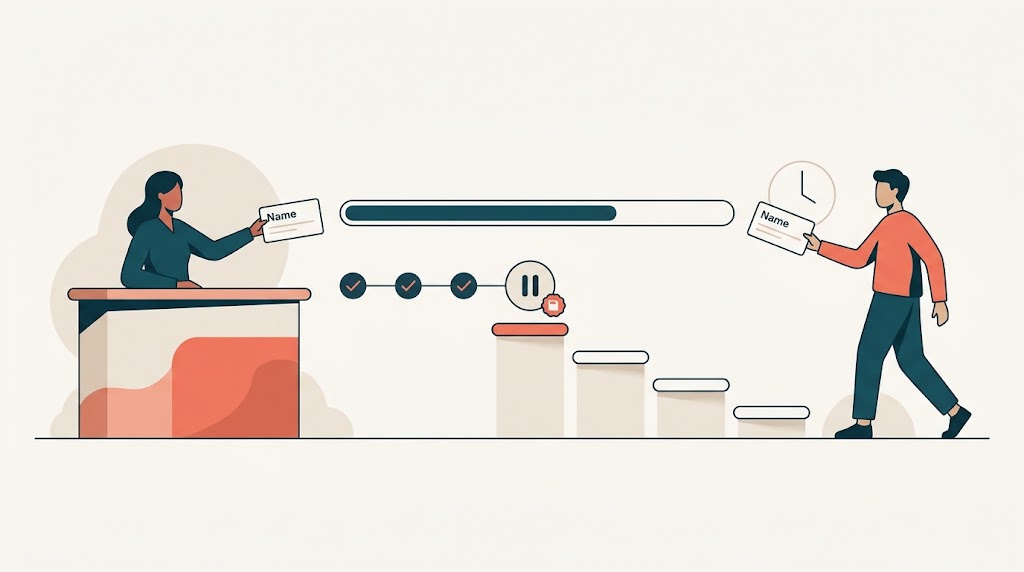
Then, over the last two weeks, I didn’t publish a newsletter issue. I wrote fewer blog posts. I slowed down.
That wasn’t a lapse. It was maintenance.
Checking the System
Slowing down gave me space to check in with myself.
Was I still grounded in the things that matter to me? Did my process still reflect my values? Was the system I had built helping me focus on the parts of the work I actually enjoy—or was it starting to create friction?
During the previous three-plus months, I had put together a workflow for capturing ideas and turning them into content. It worked. But under sustained load, a few rough edges started to show.
So I spent the last two weeks doing small adjustments.
Not a full rebuild. Not a dramatic overhaul.
Just enough automation to reduce friction. Just enough refinement to keep the flow intact.
We have better tools than ever. It’s tempting to shake the whole boat and rebuild everything from scratch. I resisted that. I already had something that worked. What I needed were minor adjustments, not a new system.
It felt like an oil change. Replacing a worn cog. Tightening a bolt.
Listening for the Warning Signs
Part of this pause has been about learning to recognize the signals—especially the quiet ones.
My body usually tells me first.
On weekends, it’s harder to get out of bed. Not because I’m lazy, but because I need more rest. I don’t set an alarm on Saturdays. I let my body decide. Nine hours. Sometimes ten. More than I ever get during the week.
Sometimes my body just aches in bed, telling me it’s time to move. Other times, I need a short nap during the day—twenty minutes is usually enough to reset things physically.
My sleep patterns shifted too. I had been waking up earlier for months, excited to work on things that pulled me out of bed. That’s usually a good sign for me.
Last week, that changed. I slept later. I stayed up later. My days stretched longer than they had in a long time.
Those are signals. Not emergencies—but warnings.
So I cut back where I could. The newsletter. Blog posts. A few other commitments.
Was it enough? Probably not.
But it was what I could afford at the time.
Journaling as Diagnostics
Throughout these two weeks, I kept journaling daily. Not just tracking what I did, but why I did it—and what I learned from it.
That mattered.
Instead of measuring output, I paid attention to enjoyment and insight. I noticed which activities energized me and which ones quietly drained me.
Those notes are already paying dividends.
This time of year, I naturally start preparing for my annual review. Last year, I did it with long walks in nearby parks—walking, sitting, writing, thinking. That practice helped me get through a difficult year. Not because things magically improved, but because I approached the year with intention.
This year, I have even more material to work with.
Voice journaling made it easier than ever to get thoughts out of my head and into text. That gives me data—not in a cold, analytical sense, but as raw material for reflection.
I’m looking forward to using AI tools to summarize, connect, and surface patterns I might have missed. Not to replace the reflection, but to support it.
Long Walks and Loose Plans
Over the next couple of weeks, I’ll be going on long walks again. Two to four hours, with breaks.
Sometimes I walk for thirty minutes, sit for thirty, write whatever comes up. Then I walk again. Sometimes I record thoughts while I’m still moving.
The goal is simple: get things out of my mind and onto the page.
From there, I can reflect. Find clarity. Understand where I am. Remember where I’ve been. And sketch a loose map of where I might be going.
I don’t know what the future holds.
But I can influence my trajectory. I can prepare for the known possibilities. And I can build enough resilience to handle the unknown ones.
Pace Is a Choice
I don’t know yet what my publishing cadence will look like next.
Three months? Four weeks? Twenty-four weeks?
All of those are fine.
What matters is awareness—of my pace, of my limits, and of the signals my system sends when it needs attention.
Sometimes slowing down isn’t falling behind.
It’s maintenance—so you can keep going.



Leave a Reply