
Six episodes in, The Blank Page Podcast keeps doing what we set out to do: show up with half‑formed thoughts and leave with clearer language, better questions, and a few ideas worth trying this week. This conversation moved from public‑speaking jitters to journaling, from transcript workflows to AI‑powered facilitation, and landed on an unexpected (but valuable) metaphor: what racetracks can teach software teams about speed, safety, and where to look next.
🎥 Watch the full episode of The Blank Page Podcast: Episode 6 for the complete conversation.
Practicing in Public (and Setting Expectations)
We opened with Matthew’s honest confession: public speaking is not his thing—so he’s leaning into it anyway. The key that unlocked progress wasn’t bravado; it was expectation‑setting. If you introduce yourself as the all‑knowing expert, expect hard questions. If you say, “Here’s what I’m learning; come learn with me,” the room leans in. That shift turns a performance into a practice.
Two habits reinforced the point:
- Say “I don’t know” early so you can move toward knowing.
- Ask better next questions, not perfect ones. Optimize for learning the very next thing.
Journaling as Time Travel
We revisited why journaling matters. Writing publicly for decades (and privately even more) creates a record you can return to. Old posts make you remember how it felt not to know so that you can teach from empathy, not hindsight bias. The longer you practice, the easier it is to forget the core—journaling helps you rebuild it.
AI Workflows That Feed Reflection (Not FOMO)
Instead of chasing every shiny tool, we shared two pragmatic loops:
- Newsletter triage → weekly AI summaries. Skim daily AI digests, route them to a label, then let an agent compile a weekly, personalized “what actually matters” brief.
- Talk transcripts → resonance analysis → treadmill review → blog. Grab YouTube transcripts of talks, analyze for themes that match (or challenge) our work, watch at speed, slow down at the “meaty” parts, voice fresh thoughts, then draft a post. The goal isn’t to consume more; it’s to convert input into insight you can use.
“AI Won’t Replace the Facilitator”
Meeting bots can capture words, action items, and tone. What they miss still matters: body language, politics, who is unusually quiet today, who leans in when a slide appears. That’s the facilitator’s work. On Scrum teams, we should carry those observations into retro—not just what we shipped, but how we presented the work and how stakeholders reacted. Poor sprint reviews can erase the value of great sprints.
From Cost‑Cutting to Capacity
Internally, we’ve started reframing how we talk about our work: don’t sell “cost‑cutting,” sell capacity. AI‑powered consultants don’t simply deliver cheaper—they deliver more: more validated experiments, more iterations, more value pulled forward in time.
Track Lessons for Tech Teams
My racetrack practice offered a map for teams moving faster with AI:
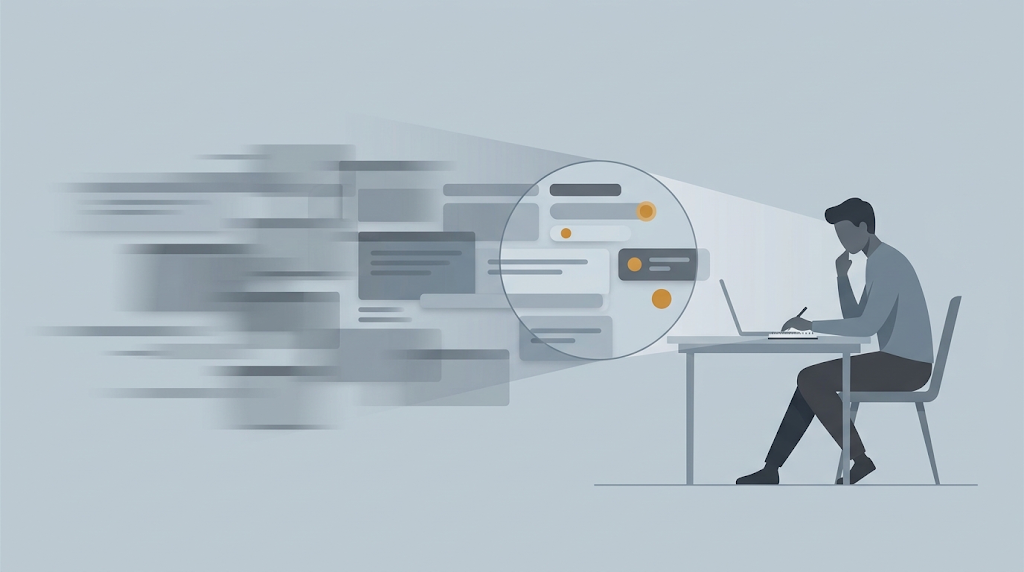
- Speed changes what matters. Go faster, and you must move your body sooner and change where you look sooner. In product work, that means changing the horizon—maybe tighter release cycles, more frequent alignment, or shifting from single stories to story maps.
- Safety scales with skill. “Vibe coding” can move in a straight line fast, but can it brake, turn, and protect users? AI‑powered consultants run with guardrails—security, data protection, and recovery—because other people are now in the car.
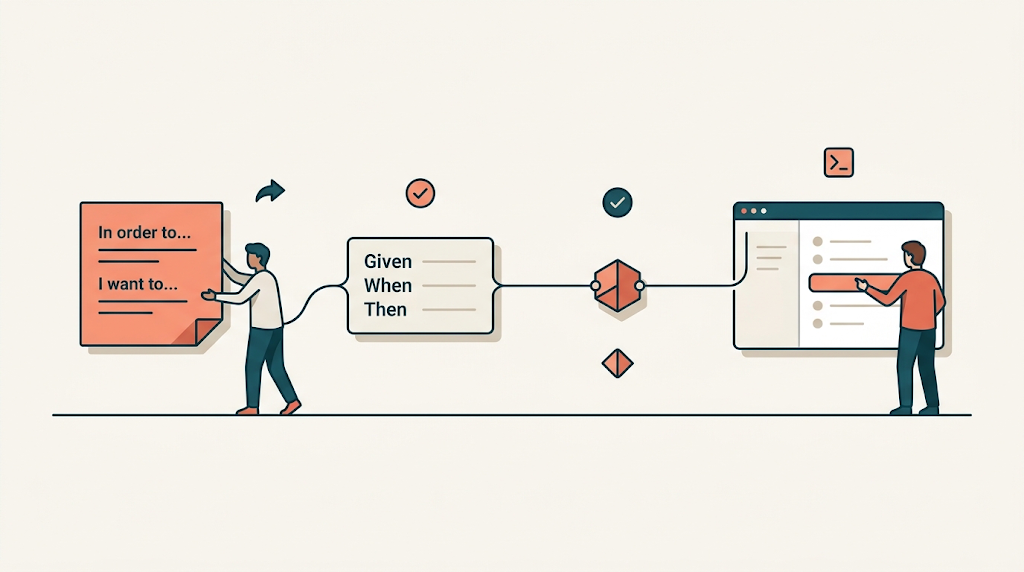
- Collapse the checklist. Where we once had many discrete tasks (design, stub, implement, validate), AI lets us collapse steps while keeping intent clear. Like driving: you don’t consciously run a 12‑step checklist to get into first gear anymore; you still do the essentials, just faster and safer.
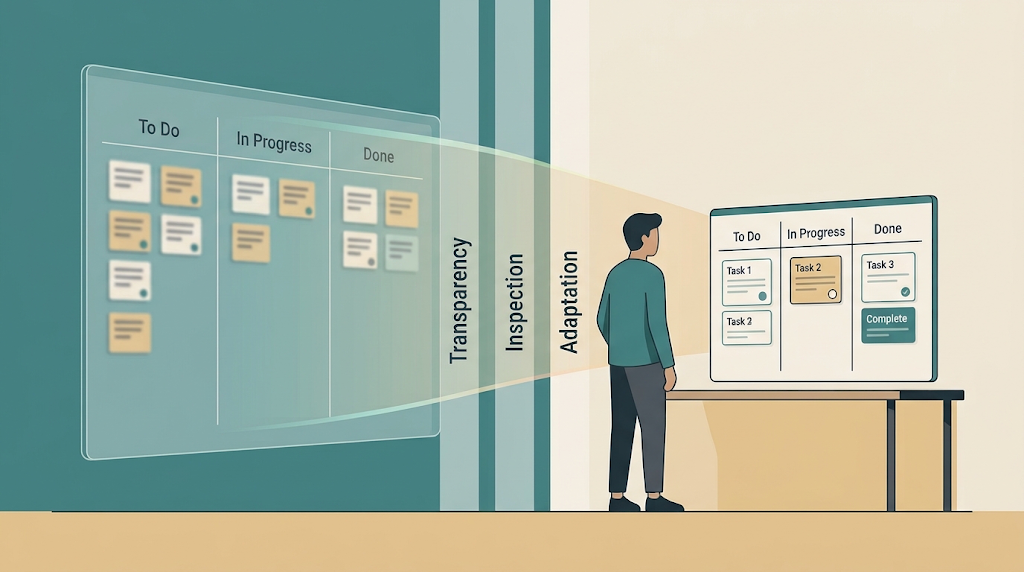
- Lap after lap, adjust. Tracks don’t change shape, but laps are never identical. Likewise, sprints repeat but conditions vary—so instrument the work, observe deviations, and course‑correct without drama.
Humans in the Loop (Still Required)
We told a story where raw meeting audio was chaotic—overlapping voices, crosstalk—yet the AI‑cleaned transcript surfaced a clean, business‑ready summary. Powerful. And still: a human reviewing diarization, assigning voices, and clarifying intent made it truly useful. The pattern holds: AI accelerates, humans ensure accuracy, ethics, and meaning.
What We’re Trying Next
- Keep expectation‑setting at the top of every talk.
- Double down on weekly journaling—not for posterity, but to teach from empathy.
- Tighten release horizons so our “reference points” match the speed we can now build.
- Frame our work as capacity creation, not cost‑cutting.
Reflection and Wrap‑Up
We ended where we often do: with presence. The tech is exciting, but the real impact is how it shapes our days—more clarity, better questions, faster feedback, and enough margin to have dinner with the people we care about. That’s the work.


Leave a Reply