
This is a question someone asked recently: “How does AI impact inter-person dynamics?”
Here are some thoughts…
AI and the Human Side of Software Teams
A lot of developers worry that AI will replace human interaction or push us further behind screens, deeper into isolation. I get that concern. But when I look at how I’m actually using these tools, I see the opposite happening.
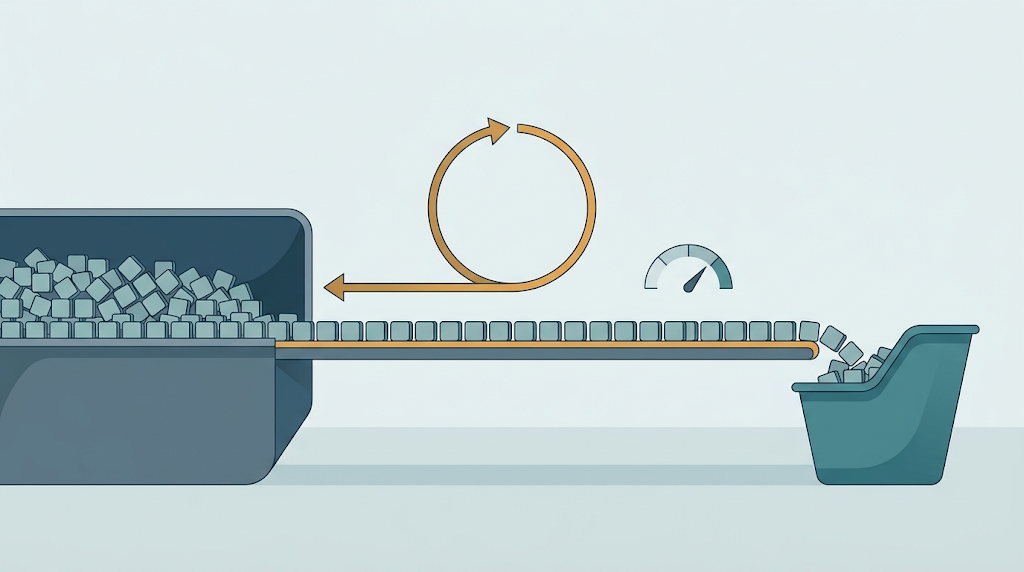
By offloading the repetitive, clerical work to AI agents, I’m finding more space for the human-to-human work. More time to talk to people, exchange ideas, and think out loud together.
Here’s what I’m noticing.
AI as a Translation Layer
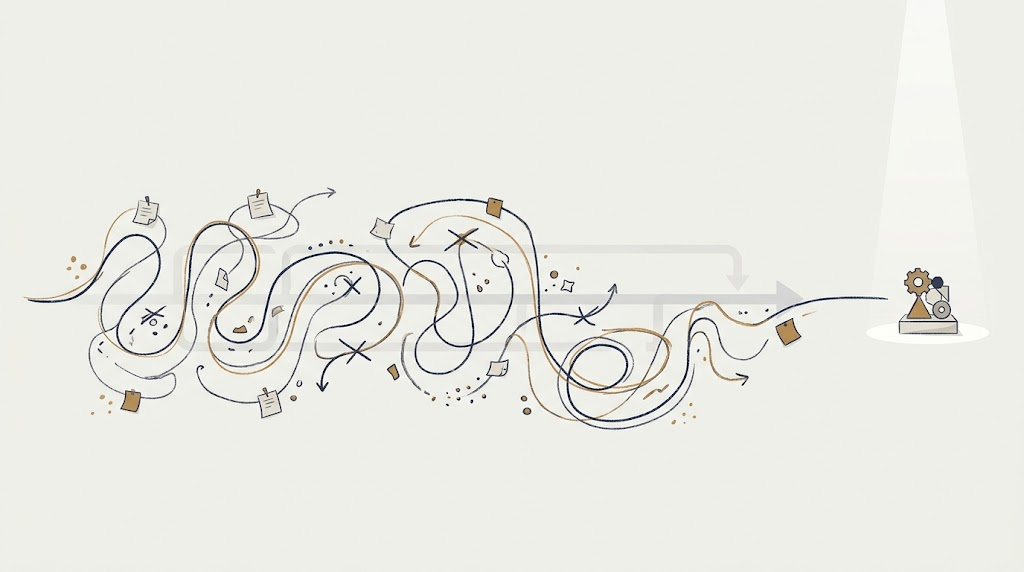
Most delivery problems don’t start in code. They start in translation.
Stakeholders speak in business goals. Developers think in databases, services, and curly braces. That gap causes friction, misunderstanding, and mistrust, and it’s been around long before AI showed up.
What I’ve been experimenting with is using AI to bridge it. For example, I can take my highly technical automated tests and ask AI to translate them into a plain English summary for financial stakeholders. When stakeholders can actually read and understand what the development team is doing, it builds trust in ways that were previously hard to achieve.
The same idea applies across cognitive styles. Visual thinkers, verbal thinkers, and spatial thinkers all process information differently. AI can help make those perspectives legible to each other, turning what used to be friction into shared understanding.
Practicing Leadership in the IDE
Here’s something I didn’t expect: working with AI is teaching me something about working with people.
If you give an AI a vague “do it” prompt, it makes assumptions and gives you something back that misses the point. The exact same thing happens when you hand a poorly defined task to a junior developer.
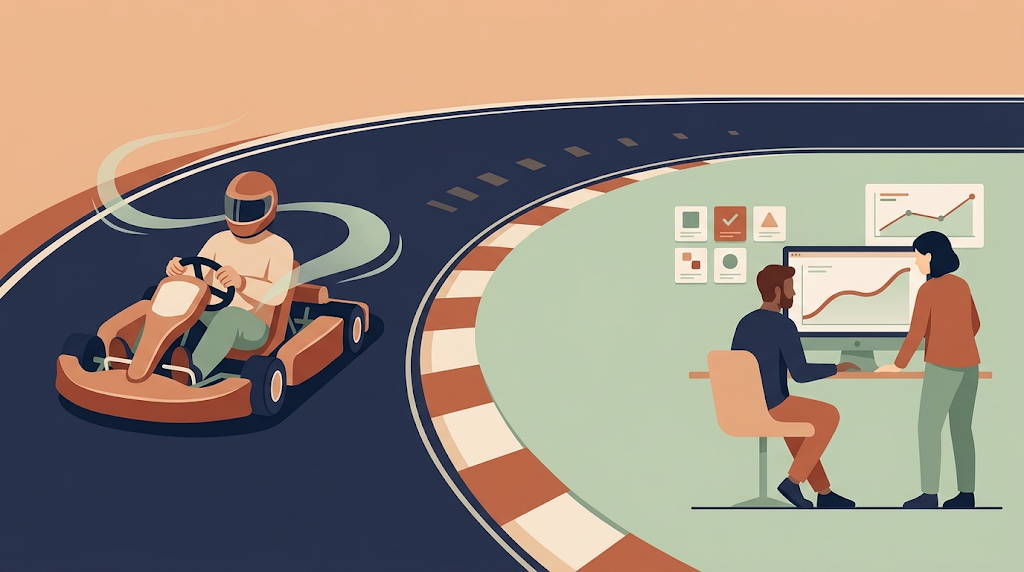
Practicing with AI sharpens my ability to articulate intent clearly. When I treat it like a new team member, providing the “why,” pointing to standards, and reviewing its work constructively, I’m building the same communication muscles I need to be a better mentor. The IDE becomes a rehearsal space for leadership.
Surfacing What We’re Avoiding
I’ve been experimenting with recording and transcribing our daily scrums and team meetings, then running those transcripts through AI for sentiment analysis and blind spot detection.
What comes back is sometimes surprising. The AI might surface something like: “The team expressed anxiety about this topic in three different meetings, but it was never directly addressed.” That kind of pattern is easy to miss when you’re in the middle of it.
Catching those hidden tensions gives the team a chance to name the elephant in the room before it causes real damage. It’s not about surveillance; it’s about creating space for honest conversations we might otherwise skip.
What AI Cannot Do
The biggest impact AI has had on how I think about teamwork is making clear what it absolutely cannot replace.
AI cannot read a room. It can’t see a stakeholder’s body language, hear the frustrated sigh when someone mentions a clunky dropdown, or sense unspoken tension. It has no empathy.
As AI takes over more of the code generation and prototyping work, the real value of a developer is shifting toward the human stuff: listening, paying attention, building relationships, applying empathy to real people’s problems.
Empathy, trust, and leadership aren’t soft skills. They’re the durable ones. And they remain strictly, irreplaceably human.


Leave a Reply