I was working on a feature a few months ago using Cursor’s plan mode with one of the more powerful models. Two hours later, the feature was done: working code, tests, everything. My role? Mostly reviewing key decisions at a few checkpoints. The cost showed up at the end: $9 and change.
Nine dollars for two hours of agent work, plus maybe 20-30 minutes of my time. That felt like a solid trade.
But here’s what got me thinking: I had to choose that expensive model. I had to decide when to use it, when to switch back to something cheaper, and when to invoke the planning mode. It reminded me of something I’ve seen in software teams for years.
The Business Analyst Problem
In traditional teams, when a complex request comes in, someone says, “We need a business analyst for this.” And if you have one on the team, great. If not, you escalate.
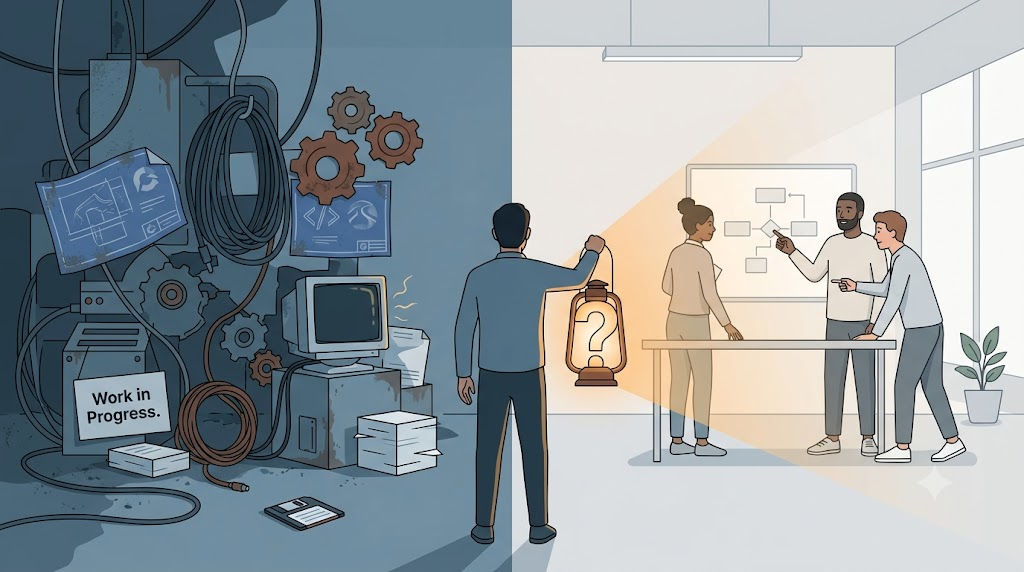
But in the best Scrum teams I’ve worked with, the conversation is different. Instead of asking for a business analyst, the team asks: “Do we need business analysis? Can anyone on the team do it?”
Maybe the front-end developer writes the user stories. Maybe the QA specialist drafts the given-when-then scenarios. They take a stab at it based on what they know, and if they hit something outside their expertise, then they escalate.
The team figures out what skills are needed and who can contribute. They cross-pollinate. They only bring in a specialist when the work genuinely requires it.
What If AI Tools Worked Like That?
Right now, when I use Cursor or Windsurf, I’m the one deciding which model to invoke. Auto mode helps (it picks models based on the request), but I still think about cost, capability, and whether I need the heavy hitter or the lighter model.
What if the tool worked more like a cross-functional team?
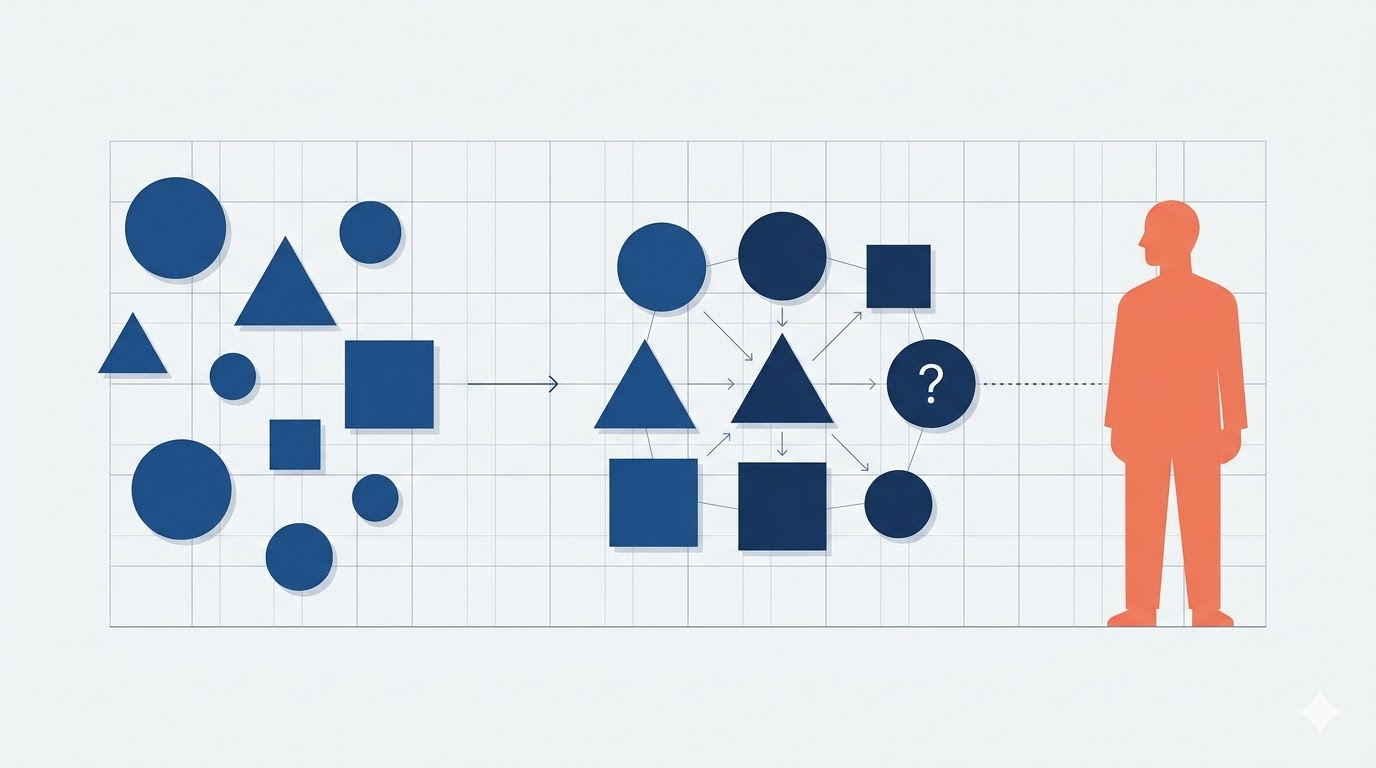
Imagine setting up a project and telling the AI: “For this work, we need business analysis, UX design, front-end development, back-end development, at these skill levels.” Then, when I make a request, the agents figure out among themselves which models to use and which capabilities to invoke based on what the request needs.
If the request is straightforward, the “team” handles it with the lighter models. If it’s complex, they bring in the more powerful ones. And if it’s beyond their combined expertise, they escalate: “Hey, fellow human, we don’t have what we need for this. We recommend bringing in a professional UX designer or a business analyst with strong domain knowledge in XYZ. Here are some options.”
The team decides. The team escalates when necessary. The human decides.
The Skill, Not the Role
This is the same shift I try to encourage in software teams: ask for the skill, not the role.
We don’t need a business analyst to write user stories. We need business analysis. If someone on the team can do it, great. If not, we bring in help.
With AI agents, the same principle could apply. The tool wouldn’t just execute my commands. It would assess the request, determine what’s needed, and coordinate the appropriate capabilities. It would cross-pollinate across models and agents, using the expensive ones only when the work calls for it.
And when the team hits a wall, it would surface that clearly: “Here’s what we’re up against. Here’s what we wrote. These are the points of concern. Do we need to escalate?”
Then I decide. Maybe the concern is valid, and we need a specialist. Maybe it’s good enough to raise with stakeholders and see if it’s worth addressing. The agents bring it up; I make the call.
A Thought, Not a Solution
I don’t have the skills to build this. But as someone who’s spent years coordinating humans to solve problems, and now trying to coordinate AI tools to do the same, this feels like the right direction.
If AI agents are going to work with us, not just for us, they need to behave more like teams. They need to figure out what’s needed, contribute what they can, and escalate when they’re out of their depth.
That’s how the best human teams work. Why shouldn’t AI tools work the same way?



Leave a Reply