
A few years ago, a message arrived from someone I had worked with and coached about 25 years ago. He wanted to share that he still remembers something I told him back then, in Portuguese: “o importante não é saber tudo, mas saber onde está tudo.”
The important thing is not to know everything. The important thing is to know where everything is.
Note: I think the second part I told him was “…to know where to find what you need when you need it…”, but that’s beside the point.
I was still a teenager when I internalized that. I recognized early that I’m a slow learner. Things take longer to land for me than for some people around me. At some point, I stopped fighting that and started working with it. I didn’t have to hold everything in memory. I needed to know where to find what I needed, when I needed it.
Albert Einstein put it another way: “Never memorize something that you can look up.”
Same principle. Different voice.
Progressive Disclosure as a Design Principle
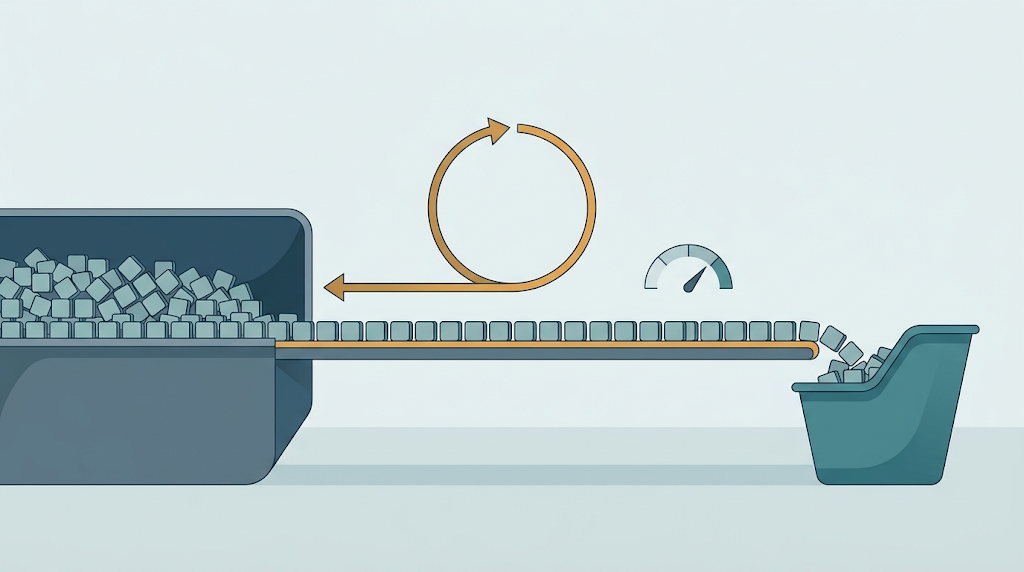
UX designers gave this principle a name: progressive disclosure. Don’t surface everything to the user at once. Show what’s relevant to where they are and what they’re trying to do. Surface the rest when it’s actually needed.
I’ve been using this term often while building a business operations platform. During a sprint review, I described a dashboard widget to our stakeholders this way: “Instead of ‘here’s all your data,’ it shows just a little bit. You look at it and think: oh, within this period — I should probably click and see what’s happening there.”
That’s not hiding information. That’s placing it where it serves the user best.
During our UAT sessions, we saw the failure mode of this principle up close. Users would hit a wall: “cannot bill order.” They had no idea why. The system had all the data. It just wasn’t surfacing when the user needed it. Progressive disclosure done wrong doesn’t mean information is hidden; it means relevant information is unreachable when it matters.
Progressive Disclosure in Learning
The same principle works in how people learn a new codebase, a new domain, or a new job.
I’ve been onboarding two new team members. During our first retrospective together, this came up naturally. One of them shared: “When there’s not a clear path of ‘do this and remove the other distractions,’ I get frustrated.”
That’s the learner’s version of information overload. Too much in view at once, with no clear signal about what matters right now.
My response to new team members is consistent: you don’t need to understand everything about this codebase before you can contribute. You need enough to take the next step. When you reach that step, you’ll need the next piece. You’ll pick it up then.
In mentoring, I sometimes say, “You are not going to see that yet. Do it as I’m telling you. You will see.” That’s not asking for blind trust. That’s asking someone to follow a pointer, knowing the context will become visible as they walk the path.
Progressive Disclosure in AI Tools
There’s a newer expression of this same pattern: the way modern AI tools are structured.
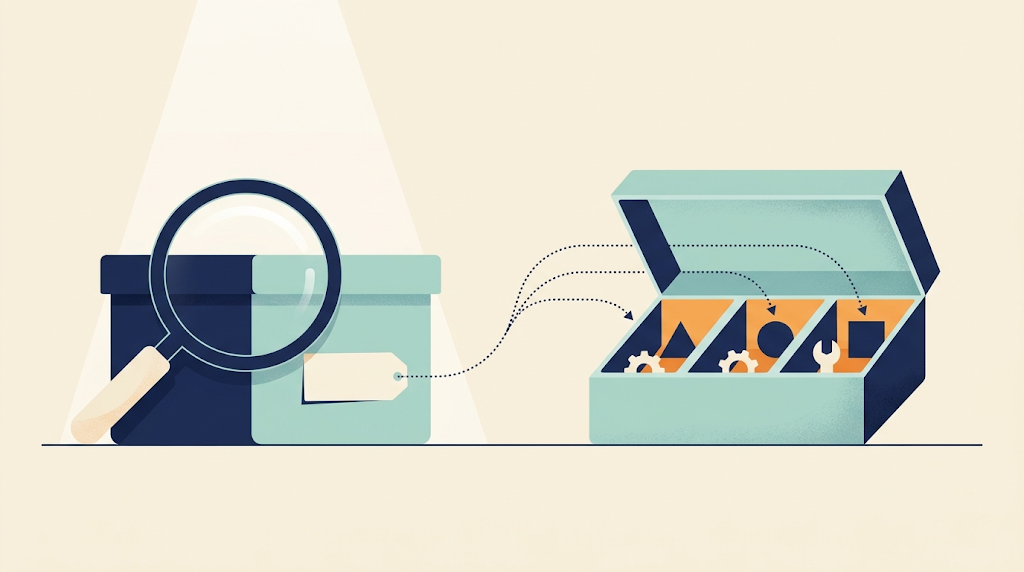
Anthropic, the company behind Claude, explicitly uses the term “progressive disclosure” to describe how their Agent Skills work. The idea is simple: an AI agent doesn’t load all available instructions into memory at once. Instead, it loads metadata about what skills exist, then reads the full instructions only when a task matches that skill’s description. If you have fifty skills available, the agent carries only the metadata for all fifty. When you ask it to do something, it reads just the instructions it needs.
A few months ago, while taking a course on using Gen AI for critical thinking, Einstein’s quote came up. We were discussing what AI agents need to hold in memory versus what they need to know how to retrieve. The parallel is direct: good agents, like good learners, don’t memorize everything. They know how to find what they need.
That’s progressive disclosure at the agent level. The same principle that helps a person learn, helps a UX designer build helpful interfaces, helps a team onboard a new developer, and now helps an AI agent manage knowledge at scale.
The Pattern
From a teenager figuring out how to learn more slowly and still keep up, to UX design for business software, to onboarding engineers on a complex codebase, to how AI agents structure their knowledge: the same instinct runs through all of it.
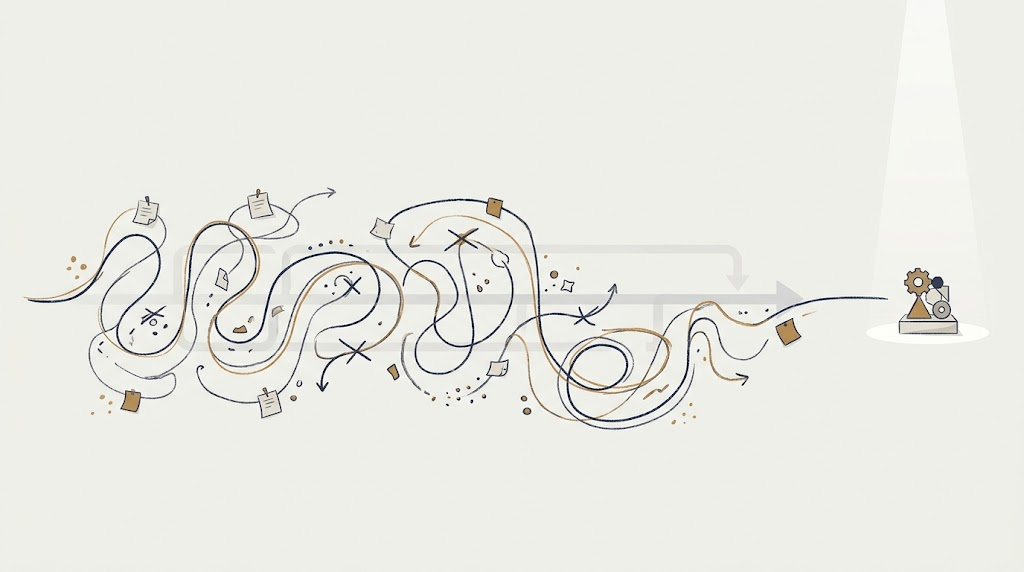
Good systems, good teachers, and good tools don’t try to give you everything at once. They give you what you need, when you need it, and enable you to find the rest.
What I’m learning is that this is not a shortcut or a workaround. It’s a design choice. Whether you’re building a dashboard, onboarding a new developer, or shaping how an AI agent retrieves knowledge, the question is the same: what is needed right now, and how do we make the rest findable?
O importante não é saber tudo, mas saber onde encontrar quando necessário.
Twenty-five years, and it still holds.


Leave a Reply