
Episode 16 of the Reflective Practice Radio is out!
We started this episode by talking about Matthew’s app finally being approved on the App Store after a couple of rejections due to some silly image requirements. But what began as a celebration of shipping software solo quickly turned into something deeper: a conversation about time, speed, and what we’re actually optimizing for.
Matthew mentioned how building the app solo taught him about wearing all the hats. Business concerns, technical decisions, product thinking. I connected with that immediately because I’ve lived that cycle throughout my career, alternating between full-time roles and solo work. It’s like being in a band versus being a solo musician. When I only focused on guitar, all my songs were guitar-oriented, riff to riff to riff. The same thing happens with code. If all we do is write code, all our solutions will put code ahead of everything else.
The Best Instrument Is Time
We landed on this analogy from one of Derek Sivers’ books, in which he talks about Igor Stravinsky. A student asked what the best instrument was, and the answer wasn’t violin or flute. It was time. You don’t want every instrument playing at once. You need space, transitions, quiet moments, then the bang.
In software development, this translates directly. When is it time to talk with stakeholders? When do you ask questions and then let them sit? When do you evaluate silence? It’s okay to ask a question and just ponder. Once you get clarity, then you go.
Matthew pointed out that society struggles with delayed gratification. People buy expensive guitars thinking the price will help them play better, but technique requires time investment over long horizons. When they don’t see quick progress, they abandon it. We’re rushing to get somewhere, but like cars speeding to the next red light, we often end up in the same place as the person who moved slowly.
Social Media and the Scroll
The conversation turned to how we spend our time, particularly on social media. Matthew described the endless scroll as a dark pattern with no clear off-ramp. You’re always leaving in the middle of something, which creates FOMO. These aren’t accidents. They’re intentional designs to keep you trapped.
I’ve learned to be very purposeful with social media. I know what I’m there for, get it, and get out. But it takes practice and being deliberate. You have to recognize the triggers, the patterns that used to hook you.
Matthew emphasized that recognizing these patterns requires introspection. You have to observe yourself, notice what you’re feeling. But many people use social media as an escape from work or stress, which makes that self-observation even harder.
The View from 68
I mentioned watching a YouTube video titled “What I Know at 68 That I Didn’t Know at 48.” I’m 49, and the algorithm found me. The gentleman talked about realizing you don’t have all the time in the world anymore. You need to make those last years count, and they go by fast.
One insight stuck with me: if you want to figure out what you need financially for retirement, lessen your needs. The less you need, the less money you need. I’ve been putting that into practice, checking what I really enjoy versus what I could live without.
Matthew pushed on this. He said thought experiments aren’t enough. You have to answer the questions honestly, and, better yet, actually try it. Lock your phone in a drawer until 9 PM. Sleep on the floor. Take a cold shower. Ryan Holiday’s stoicism exercises. Do it so you know the protocol, know how you react.
Moving Fast While Standing Still
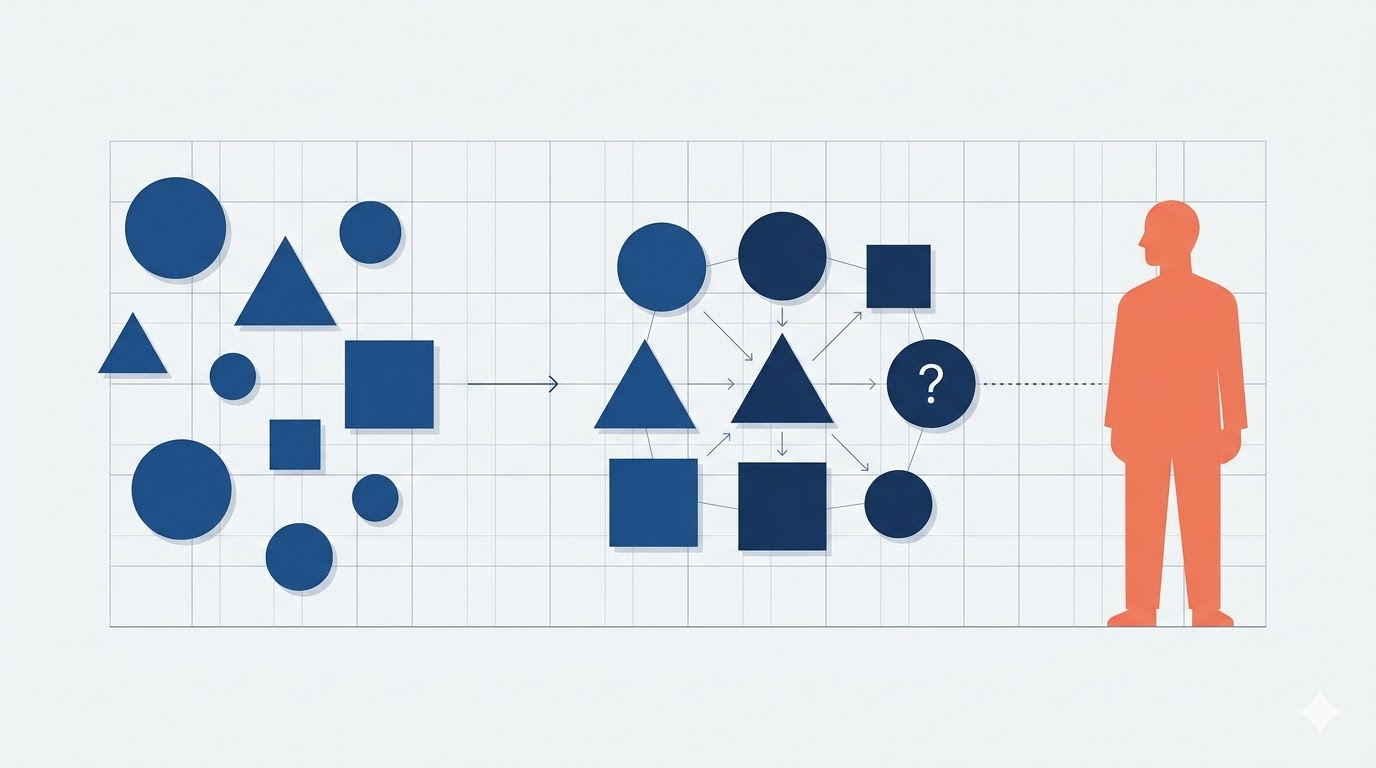
Here’s the tension we kept circling back to: AI tools let us build software incredibly fast, but we, as individuals, don’t learn, synthesize, or internalize anything any faster. We’re not speeding up at the rate the tools are speeding up.
Something has to give. In many cases, it’s our understanding of the code we’re shipping. We put tests, structures, and harnesses in place. The tests pass, the conventions look right, but we’re not looking at everything with a fine-tooth comb anymore. We’re moving up the ladder, away from the screen.
I used this analogy: it’s like sending probes into space. We can’t go that fast, so the AI goes, does its research, and comes back. We’re here at the same slow human speed as ever.
Matthew grounded it beautifully. It’s like being an elder in a community, sending the youth out to hunt while you stay back. You rely on what you’ve taught them to bring back food. That’s very human.
The Philosophical Questions
Matthew said a few weeks back that many of our concerns moving forward will be philosophical. We care about the code, but we increasingly have to care about the why. The humans we’re serving, how they interact with software, and the value we’re creating.
We can set up prompts and let an orchestrator build software while we’re in a podcast. But when we come back and review what was built, we have to ask: what value did I create? Did this need to be done while I was away? Should I have been there for critical decisions?
Because these are machines, we’re less thoughtful about how their time is spent. We wouldn’t send junior developers on a wild goose chase, wasting their time. But with AI, we burn through tokens without the same concern.
The Alien Present
We did this thought experiment: take someone from 1986 and drop them into 2026. They’d be completely out of place. Everyone is staring at screens; no one is talking. They’d want to go home.
That’s only 40 years ago.
I used to go to concerts as a teenager to be present, to be part of the experience. Now I see people watching entire concerts through their phones. They’re right there, but intentionally degrading the experience. Then we develop VR systems that make us feel like we’re there. You could have been there when you were there.
Matthew said we have to look at this for what it is: alien. We’ve normalized it, but is it really normal?
The scary part is how fast this is accelerating. We used to do this exercise with someone from the 1800s. Now it’s 30 or 40 years. At this rate, it’ll be five years from now. We won’t recognize what’s around us.
What We Do With the Time
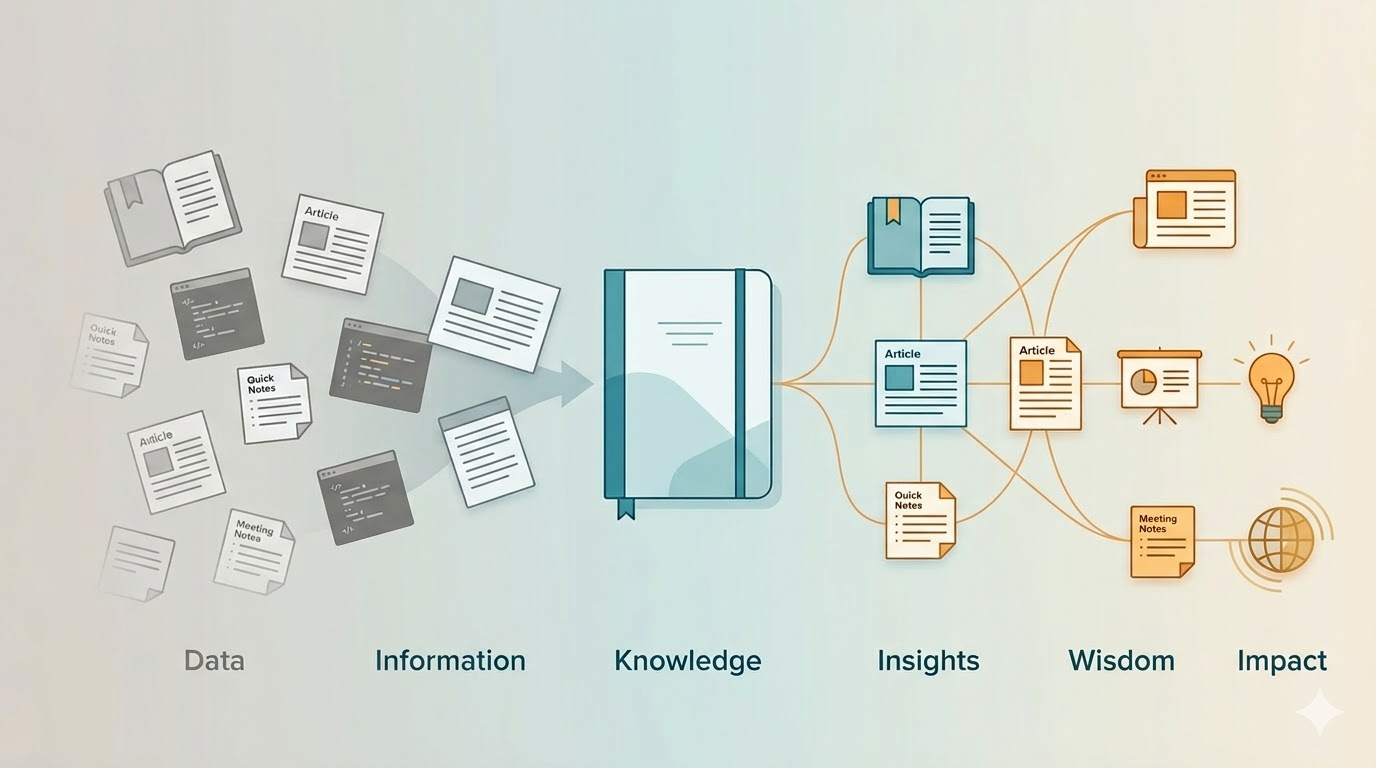
If AI tools promise to free up our time, what should we do with it? Matthew’s answer: those other things should be as human as possible.
Walk. Talk to people. Do whiteboarding sessions in person, physically moving cards on a board. Be present in the present moment.
The risk is that because we can do processes faster, we just fit more processes into the same window. What used to take eight hours takes two, so we fit four times as much work in. If that’s our attitude, we’re going to see exponential burnout at the human layer.
We don’t need to go fast for every single thing.
Reflect and Practice
As we wrapped up, Matthew reminded us what we should be doing: reflecting and practicing. Reflect on the practice. Practice the reflection. It’s a spiral.
That’s what this conversation was really about. Not rejecting speed or AI tools, but being intentional about what we’re optimizing for. Time is constant. We can’t slow it down or speed it up. But we can change our perception, change where we’re looking.
The question isn’t whether we can move fast. It’s whether we should, and what we’re giving up when we do.
If you want to hear the full conversation, including more on Matthew’s app journey and our thoughts on developing social skills in an increasingly virtual world, check out the full episode.



Leave a Reply