
In the late 90s, while still living in Brazil, I got involved with the local FoxPro developer community. We would gather on weekends, laptops and desktop rigs spread across folding tables, and spend hours swapping tips and tricks. Everyone talked. Everyone shared. The energy was real.
Twenty years later, I ran into some of those people and learned that a technique I had shared back then was still running in a production system. That will never stop being a fun thing to hear.
Brown Bags and a Familiar Pattern
When I moved to the United States, a co-worker introduced me to the idea of brown bag lunch meetings. He showed me a photo, and it clicked instantly: the same informal gathering, now around a conference room table with fast food. I started running them at the company.
I noticed that for most meetings, I was the only one sharing. I was fine with that, but I kept wondering how to get the rest of the room talking.
That question eventually pushed the format further. In 2009, I launched the Virtual Brown Bag — the same idea, moved online so developers anywhere could join. Same energy, bigger room.
That happened through years of consulting, speaking, and team leadership.
Lessons Learned Inside a Sprint
For years now, I have run a practice I call a Lessons Learned meeting, separate from the Sprint Retrospective. The distinction matters to me.
The Sprint Retro stays focused on process: what worked, what slowed us down, what we want to do differently. It’s about the team’s mechanics.
The Lessons Learned meeting is about knowledge: What did someone learn this sprint that helped them do the work? It could be a new library, a pattern, a debugging technique. And it doesn’t have to be something mastered. It can be something just discovered, something that didn’t work, or something the person realizes they don’t know how to do yet.
That last one matters more than people expect. Saying “I need to do X, and I learned I don’t know how” opens the door for someone else to help. It makes the gap visible, and visible gaps tend to close faster. There’s no need to “fake ’til you make it.”
The other thing we share: pre-existing skills that came in handy during the sprint. Something a team member already knew, but others might not. When I bring up a technique I’ve been using for years, I often include a bit of story: when I learned it, what situation surfaced it, and why it’s stayed with me. That context makes it stick.
The Leader Who Goes Last
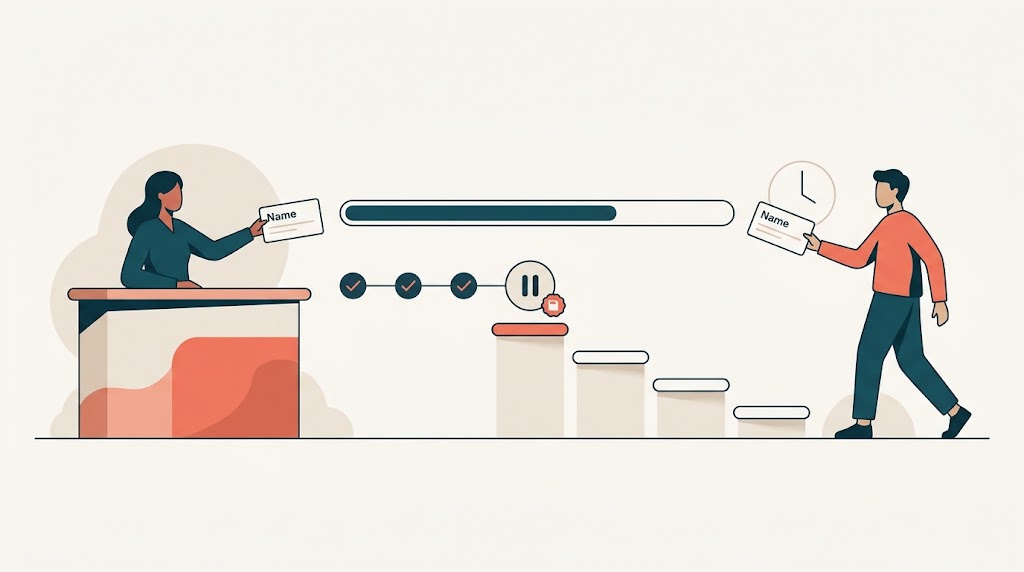
For the first few sprints, it’s almost always the leader doing all the sharing. People are interested, sometimes genuinely curious, but quiet. They’re sizing up whether this is a safe space to not know things.
What changes that is consistency and being willing to go first without having all the answers. I don’t share only what I’ve mastered. More often, I share things I just figured out, things I struggled with, things I still don’t fully understand. Once the team sees that this isn’t a performance, that it’s genuinely about exchanging knowledge and not demonstrating expertise, people start contributing.
It usually starts small. One person mentions something minor. Then another. Over several sprints, the room finds its voice.
Eventually, I flip the order: everyone else shares first, and I go last. The meetings start running long. There’s no time left for what I had prepared.
That’s the goal. When the leader can’t get a word in because the room is full of people sharing what they know, the practice has taken root.
When the Leader Has Nothing to Share
I’ve been in meetings where I had nothing left to say because we ran out of time. My unsaid lessons learned became blog posts, talks, and conversations with other teams. The content found another path.
For team members who aren’t comfortable sharing publicly, the meeting itself becomes enough. Getting comfortable sharing within your own team is a meaningful step. And when those people move to new teams, they often bring the practice with them, sometimes offering it up to anyone at the company who wants to join.
That’s worth more than any single meeting.
Showing Up Every Time
None of this happens without consistency. The meeting needs a recurring slot on the calendar: every sprint, every two weeks, whatever the cadence is. The leader needs to show up every time and share every time, especially early on when it feels like talking into a void.
When people say they don’t know what to share, my answer is always the same: if you’ve been getting out of bed every morning, you’ve learned something. Even learning that you don’t know how to do something counts. That discovery is useful. Share it.
The AI Dimension
AI tools now accelerate how fast we absorb new information, which means the shelf life of what we learn is shorter. You pick something up, use it, and within weeks it may already be outdated or superseded. For me, many things end up forgotten if I don’t take the time to revisit them.
That’s one more reason to share during the sprint while it’s fresh, while you still remember the context, the friction, the moment it clicked. Lessons Learned meetings give that knowledge a container before it fades.
The meeting format doesn’t matter as much as the intention behind it. Whether it’s around a table in São Paulo in the late 90s or inside a sprint ceremony today, the practice is the same: make it safe to not know things, model that yourself, and stay consistent long enough for others to follow.



Leave a Reply