
For about the past year and a half, I’ve been doing something small every day with AI. Not reading about AI. Not watching demos. Just picking one thing, something concrete and specific to whatever I’m working on, and asking: could AI help me here?
Some days the answer is no. Some days it opens a door I didn’t expect. But the habit itself, the daily questioning, has been more valuable than any single tool I’ve found.
What the Habit Actually Looks Like
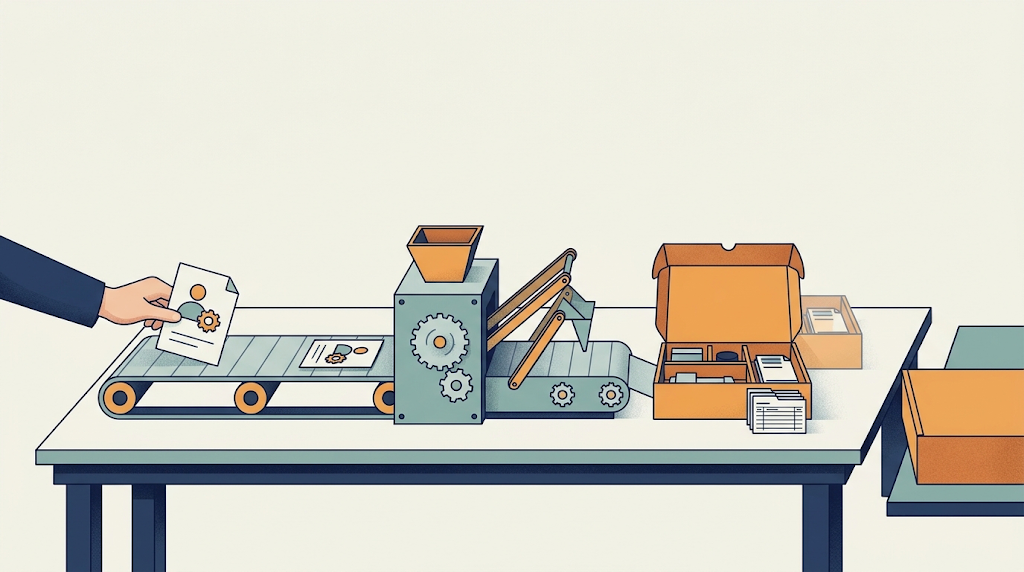
It doesn’t feel like learning in the traditional sense. There’s no curriculum, no course, no completion percentage. It’s more like keeping a running question in the back of my mind throughout the day: where is there friction, and is there a way to reduce it?
Sometimes it’s a different prompt for something I already do. Sometimes it’s a tool I’ve had open for months but never used in this particular way. Sometimes it’s trying something I saw mentioned in a conversation, applied to my actual problem rather than a generic example.
The key word in all of that is actual. It’s never “let me try this tool because it sounds interesting.” It’s “I have this specific problem, let me see if this helps.”
That constraint matters more than it might sound.
Why Chasing Flashy Tools Doesn’t Work
There’s a lot of noise in the AI space right now. New models, new products, new capabilities, announced constantly. If I tried to keep up with all of it directly, I’d spend most of my time reading about tools I never actually used.
The daily habit filters that noise naturally. When I already have a problem in mind, I’m not picking tools based on hype. I’m picking them based on fit. And “fit” is something you can only evaluate when you have real work in front of you.
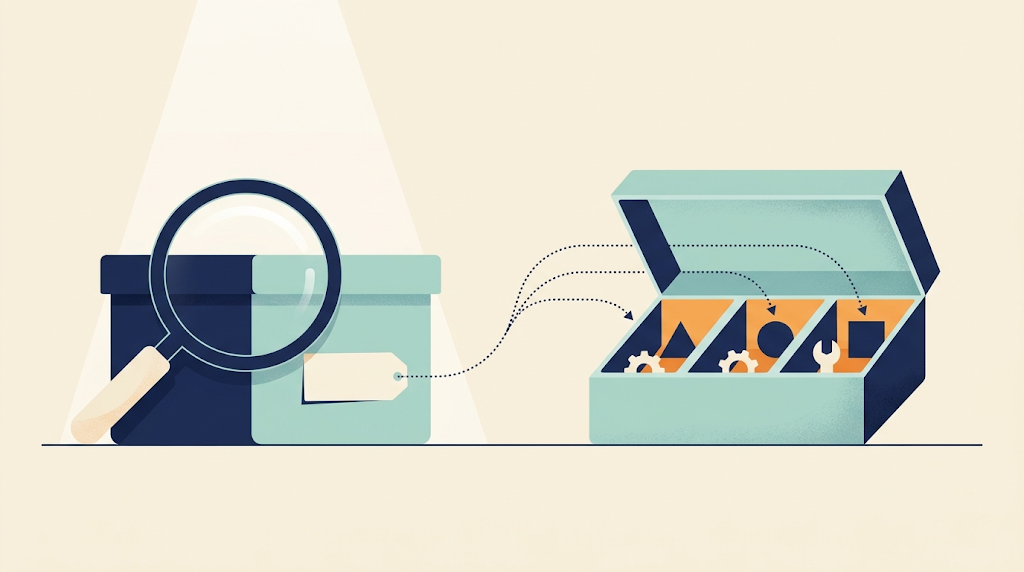
I’ve also found that this approach builds something that can’t be shortcut: familiarity. Not with a specific tool, but with the shape of the problem space. After a year and a half of asking “could AI help me here?”, I’ve developed intuition about when the answer is likely yes, and more importantly, what kind of help to look for.
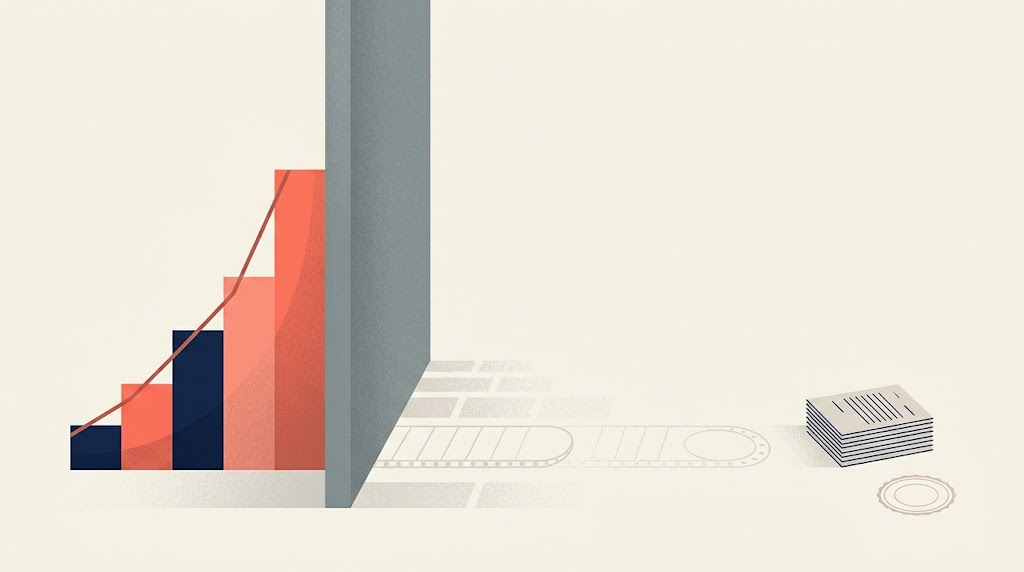
The Compounding Effect
Each day’s small discovery doesn’t feel like much in isolation. Over time, though, I notice things I didn’t before.
I notice when someone is describing a workflow that could be partially automated. I notice when a question someone is asking me could be answered faster if I approached it differently. I notice when I’m doing something manually that I already know how to do better.
None of that happened overnight. It happened through a year and a half of one small thing per day.
Trying to learn everything at once is a reliable way to learn nothing. Showing up with a small, honest question every day is a reasonable alternative to both overwhelm and avoidance.
The pace doesn’t need to match the hype. It needs to match your actual life.


Leave a Reply