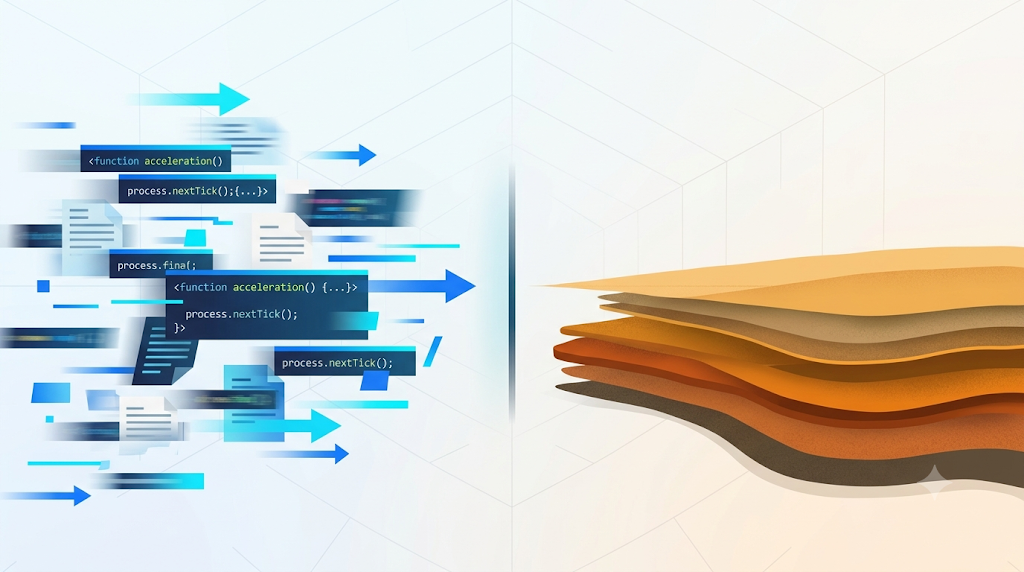
A colleague stood up during my Lunch and Learn session on AI maturity self-assessment. He’s been working with AI for a year and a half. He watches people online share prompt tricks that he figured out long ago. He sees names being given to practices he thought were just how things worked.
I get it.
AI accelerates my output, but I’m not sitting with the lessons long enough to internalize them. I find blog posts I wrote months ago with answers I’ve re-discovered.
Faster does not equal deeper learning.
The Trick That Was Never New
He mentioned seeing people share the number one trick to make prompts better. His reaction was that he’d been doing that a year and a half ago. What do you mean the number one trick? Are you just coming up with it now?
Then people start putting names to things. He didn’t realize we had names for these practices. That’s just how it’s supposed to work. The names keep changing anyway.
One name that stuck with him was cognitive surrender. That has real meaning. We’re surrendering some cognitive load to AI. We love it because we don’t have to think about certain details. He’s a pragmatic person who appreciates not worrying about details.
There’s a cost to that surrender.
The Head-Banging You Cannot Skip
He pointed out something important. He’s a high pragmatist type. He loves that AI saves him from thinking about details. He also noted that he’s banged his head against brick walls for the last 30 to 40 years.
Some stuff is built in from that experience that somebody coming out of school doesn’t have. They need a little head-banging too. He doesn’t want anybody to have pain, but there are certain things you have to go through.
You’re just not going to get some of it right.
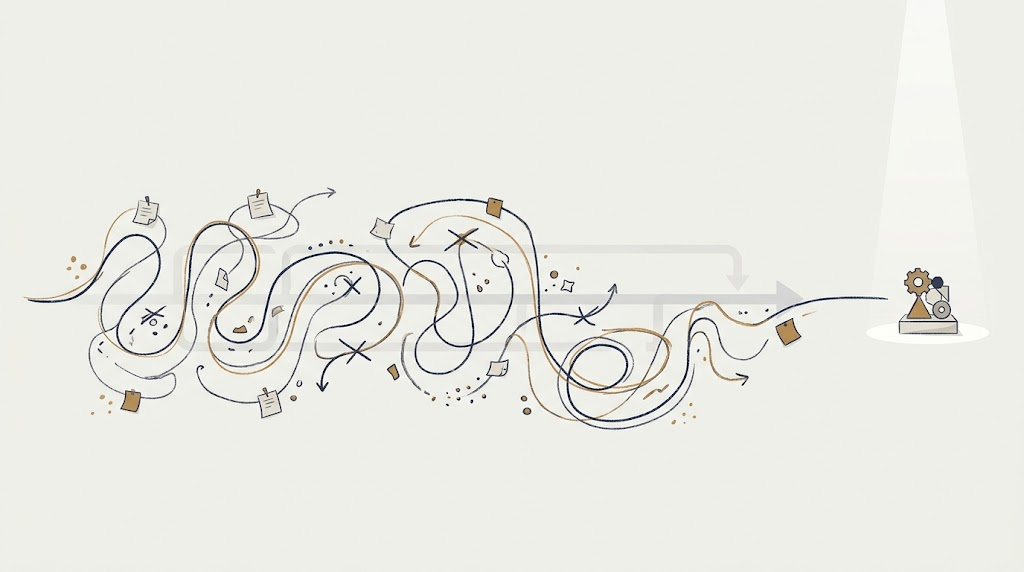
AI can accelerate the output, but it cannot accelerate the internalization that comes from struggle. The lessons you learn from banging your head against a wall take time to settle. When AI removes the struggle, it also removes the settling time.
Finding Your Own Old Posts
I’ve experienced this myself. I’ll be working on something, feeling stuck, and then I search my own blog. There it is. A post I wrote six months ago with exactly the insight I need. I’d forgotten I ever had that insight.
The pace of AI-assisted work means I’m always moving to the next thing. I don’t sit with the insight long enough for it to become part of my mental toolkit. I write it down, publish it, and move on. The insight is captured externally but not internalized deeply.
AI helps me produce more. More code, more writing, more features. The learning per unit of time might not be increasing. It might even be decreasing.
Naming the Tension
His comment about cognitive surrender stuck with me. We are surrendering cognitive load to AI. That’s not inherently bad. We need to be honest about what we’re surrendering.
We’re surrendering struggle. We’re surrendering the time it takes for lessons to settle. We’re surrendering the repetition that builds intuition.
The pace problem is that we’re trading depth for speed. We’re getting more done, but we’re not becoming deeper thinkers in proportion to our output.
I need to build in deliberate pauses. I need to revisit my own writing. I need to sit with insights longer before rushing to the next thing.
The AI acceleration is real and valuable, but it needs to be balanced with deliberate slowness.
Faster output does not mean faster learning.



Leave a Reply