What Lasts 20 Years?
Revisiting old practices, I see what still matters, and how it reshapes my work today.
Past
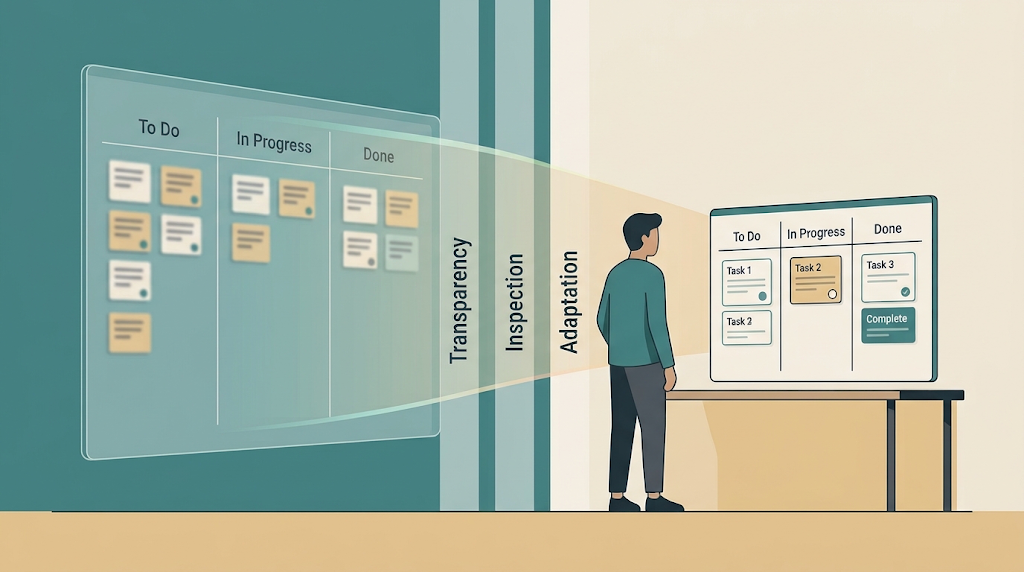
Twenty years ago, I was immersed in Lean and Extreme Programming (XP). Practices like pair programming, test-driven development, and continuous feedback weren’t just techniques; they became habits that shaped my career. I didn’t know then how long they would last, but I kept returning to them because they worked. They created clarity, simplicity, and collaboration; values that proved timeless.
Present
Preparing my recent talk—“Will AI take your job or join your standup?”—I revisited those same values. What struck me is how relevant they remain. Pair programming, for example, is something I’ve practiced for over two decades. Today, I also find myself pairing with AI assistants, applying the same principles of dialogue, feedback, and shared problem‑solving. The “pair” looks different, but the core idea hasn’t changed.
I reflect on my “5‑foot bookshelf” (a selection of books I’d keep with me if I had limited space to store them). The books I chose weren’t the technical manuals I devoured twenty years ago. They were the ones that offered timeless wisdom; ideas that still shape how I live and work today. That contrast reminded me: tools age, principles endure.
Future
So I’m asking myself: What am I doing today that I’ll still be doing in twenty years? Which practices will stand the test of time? I suspect the same ones that already have: clear communication, thoughtful simplicity, and fast feedback loops. AI may change the form, but not the essence. The bookshelf metaphor helps me here; technical details come and go, but wisdom stays.
The next turn of the spiral will be exploring how lived experiences (such as XP, Lean, and Scrum) continue to guide me, and how mediated experiences (through books, talks, or even AI conversations) might evolve into lived ones. That, too, is a choice: what do I want to make real?
Previous Posts You Might Enjoy
👉 Dear Author: How Your Words Changed Me — A simple exercise from the Read to Lead Challenge reminded me that reaching out to authors who shaped me deepens my own journey—and can open surprising, meaningful conversations.
👉 Preparing and Giving Effective Sprint Reviews — A sprint review isn’t just a demo; it’s a chance to make value visible, by knowing your audience, crafting a story, and turning dry features into an emotional connection
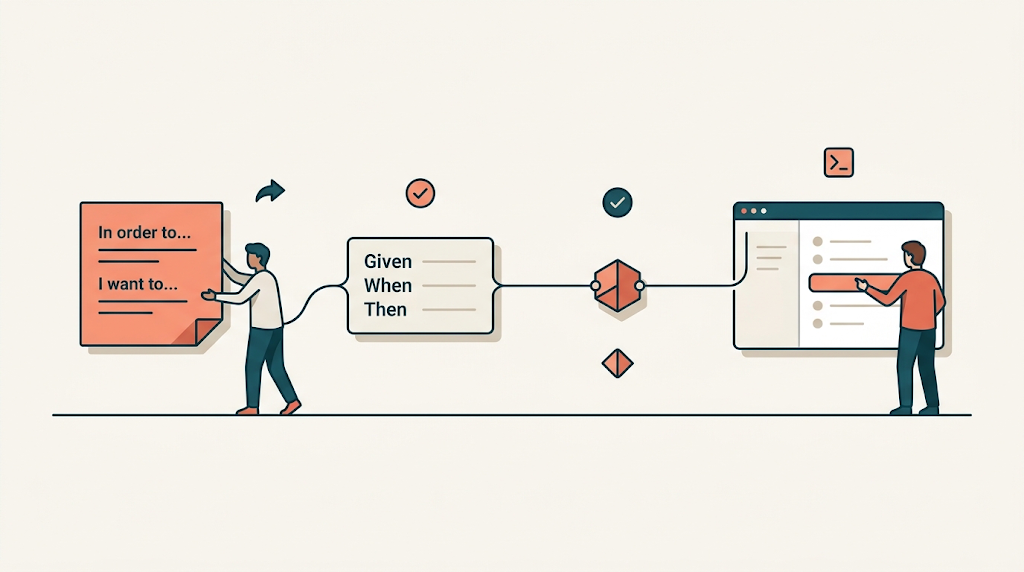
👉 Can AI Really Pair Program? My Experiment with BDD, TDD, and the Prime Factors Kata — I treated AI like a new teammate in a classic coding kata—guiding with BDD, TDD, and standards—and learned that AI shines brightest when paired with human judgment, not replaced by it.
Try this: Ask yourself: what practice from today deserves a place on your 20‑year shelf?


Leave a Reply