
At the end of every sprint, Scrum teams come together for a sprint review. Too often, these meetings are reduced to a simple “demo” of buttons clicked and screens shown. But when that happens, the real purpose is lost. A sprint review is not just about proving software works—it’s about demonstrating value.
Start With Why
The goal of a sprint review is to answer a simple but crucial question: what value did this sprint deliver to stakeholders? That value may not always be immediate revenue. Sometimes it’s about happier users, streamlined workflows, or laying the foundation for more complex features down the road. Keeping that purpose front and center ensures the review is more than a checklist of completed stories.
Know Your Audience
Not every stakeholder is concerned with the same details. Business leaders want to understand the impact. End users care about usability. Technical peers may be interested in integrations and APIs. Before preparing the review, clarify who will be in the room and highlight what matters most to them. A CRUD screen might seem trivial—until customer support realizes it saves them hours of manual effort.
Build the Story, Not Just the Demo
Instead of running through isolated features, weave a story. Demonstrate how the work done connects to solve real-world problems. Relatable storytelling keeps people engaged and highlights the bigger picture. For example, don’t just say “we added a new button”—explain how that button reduces onboarding time by 30%, making employees more effective from day one.
Rotate and Coach Presenters
Sprint reviews are a team effort. If only one person presents every time, others miss out on growth opportunities, and the team loses variety. Rotate presenters. Let the more experienced speakers coach those who feel less confident. Public speaking is a skill, and sprint reviews are the perfect practice ground.
Eliminate What Can Go Wrong
Nothing derails a review faster than a broken demo environment or a third-party API outage. Plan. Capture screenshots, record short videos, or mock integrations if necessary. Show stakeholders what matters, not spinning wheels.
Gather Feedback Collectively
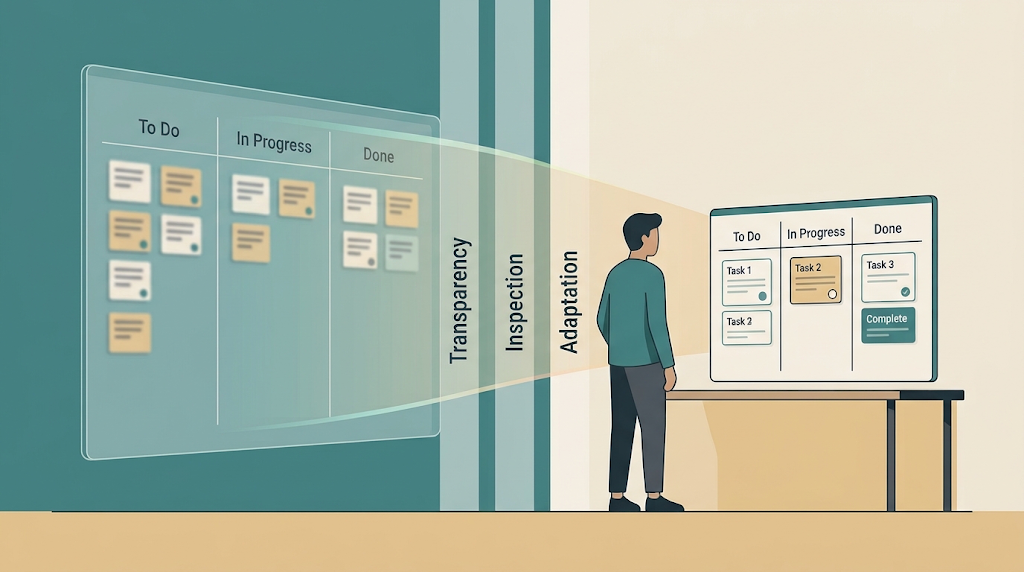
A sprint review is also a feedback loop. Please don’t leave it all to the product owner. Every team member should take notes. Different perspectives catch different insights. In the retrospective, evaluate not only the sprint’s work but also the effectiveness of the review itself.
Make It Personal
Finally, bring yourself into the room. Use your accent, your stories, your quirks. Humor, vulnerability, and personal anecdotes make the review more human and memorable. The more authentic you are, the more engaged stakeholders will be.
Sprint reviews are about more than proving code works—they are about making value visible. Preparation, storytelling, and teamwork turn a dull demo into a powerful moment that builds trust and excitement. Done well, sprint reviews remind everyone why the work matters.



Leave a Reply