I run a monthly AI maturity self-assessment to track my progress with AI tools and workflows. One dimension measures “Team and Organization Practices”, which is how well the skills I create are structured and communicated so my teammates can leverage them too.
This dimension exposed a gap I’d noticed but hadn’t named.
I often hear about team members who each have their own private skills, workflows, and ways of doing things, even when working on the same project. Everyone is individually productive, maybe even highly productive. But is that the optimal endgame?
I don’t think so.
Individual maximization is not the same as team maximization.
When everyone on a team has their own private AI workflows, you lose cross-pollination, shared context, and the compound effect of building on each other’s work instead of parallel-tracking in isolation.
One person might have a brilliant workflow for code reviews. Another might have a skill that streamlines documentation. A third might have figured out a pattern for test generation. If these stay private, the team gets three pockets of productivity instead of one amplified capability.
The team has to work together to make sure it’s not just individuals maximizing their own productivity. It’s the whole team aiming at the same goal and moving as powerfully as they can together.
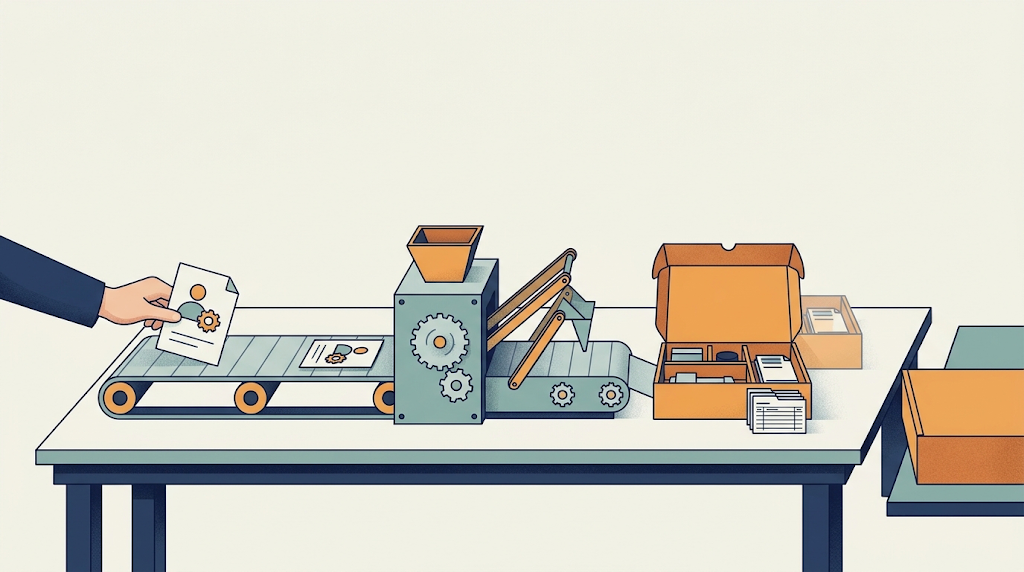
I’m working on how to structure and communicate the skills I create, not just for my own benefit but so my teammates can leverage them too. So we can build on each other’s work instead of reinventing it in parallel.
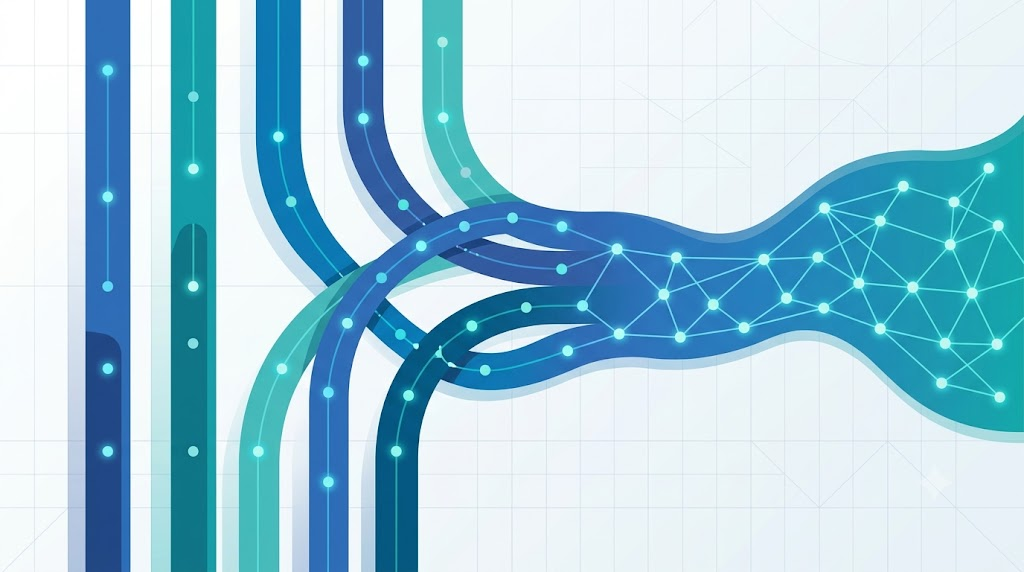
The real leverage comes when individual fluency becomes team fluency, when good workflows get shared, refined, and adopted, when the team learns together instead of apart.
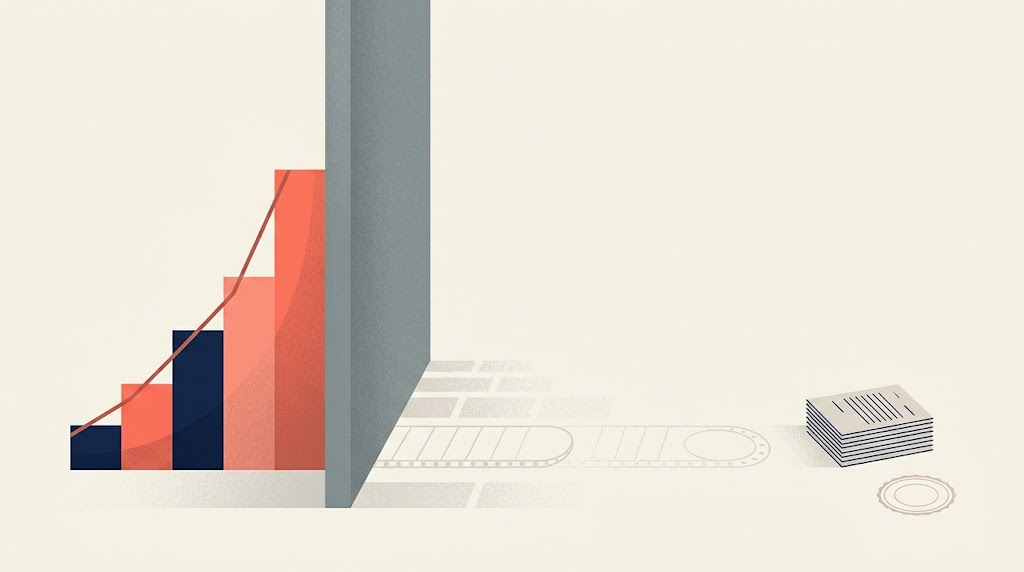
That’s the scaling problem we need to solve.



Leave a Reply