
On January 1, I started a one-week experiment: write and publish a blog post every day. I checked in on it after the first month, after the first quarter, and at six months, and I wrote about the drive to keep sharing and what 93 posts taught me about my systems. Three quarters later, the experiment is still running, and the system I built around it has grown into the kind of asset that increases value over time.
My blogging harness handles the mechanics so I can stay focused on the writing, and it changes as the practice does. This year it went from a loose set of steps to a pipeline that drafts, edits, schedules, and promotes posts. I wrote about that evolution in How My Blogging System Grew Up (V1 to V2).
The Harness and the Digital Brain
The harness doesn’t work alone. My local RAG, which I still call Digital Brain, has grown alongside it. It started as a way to run my personal assessments against my own records, and grew into a local RAG app over everything I write.
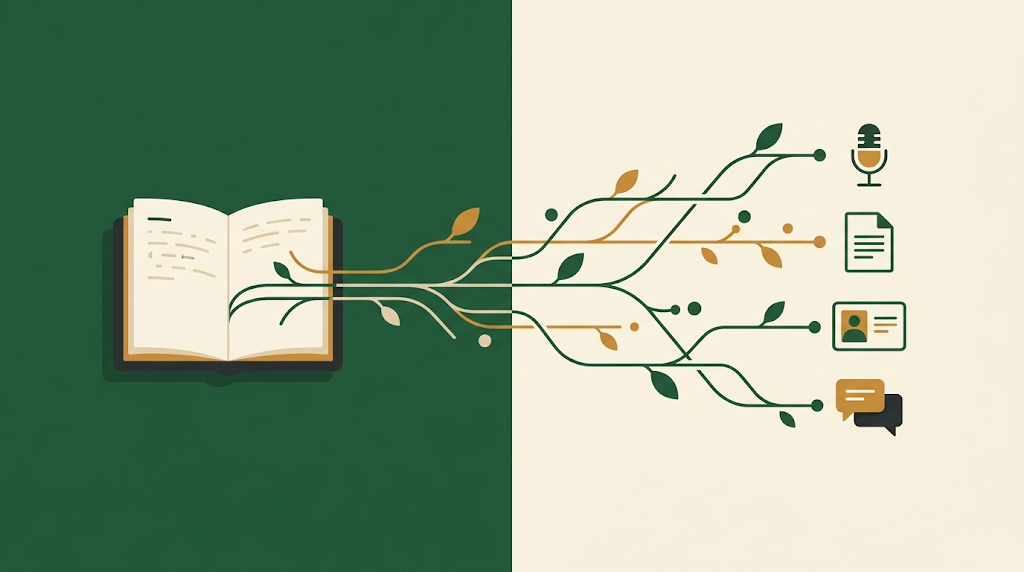
Everything I write and every talk I give goes into it: blog posts, transcripts, notes. The more that lands there, the better it gets at finding connections I would have missed. When I need a new post or a new talk, I can pull from that body of work and see what belongs together.
Talking and writing are the same; they’re different ways for me to organize my thinking, and hopefully, help somebody else along the way.
Breaking Long Posts Into Series
I’ve embraced multi-part series instead of writing one long post.
The reason is practical. I have several talks I’ve given over the years, and each one holds more material than a single post can carry. Breaking a talk into a series of shorter installments lets me revisit the points I made, add illustrations, and swap in better examples. Each installment stands on its own, and together they’re something I can reuse if I give the talk again or build a new one.
The Digital Brain helps here too. Because the talks and the posts live in the same place, it can point out where one connects to another. A post I wrote months ago becomes raw material for a talk I’m preparing now.
Keeping the Streak Alive From Brazil
In the past, most of my posts were written the day before or the day they went out. I wasn’t scheduling ahead.
That changed when I spent a few weeks in Brazil, part of it on vacation and part of it working remotely. I knew I wouldn’t be in my normal daily flow, and it would be easy to miss a day. So I pushed the harness further: it can now create several series at once and schedule the installments so a new post comes out every day.
Scheduling ahead didn’t mean I stopped reading them. I still go through each post before it’s scheduled, and on the day it publishes, I read it again to remind myself what that day’s post is about. If a new idea comes up while I read, I journal about it and let the Digital Brain connect it to everything else later.
All of this allows me to spend more time thinking, making connections, looking for insights, and taking action, instead of spending too much time in the mechanics of blogging.
Scheduling the Social Posts
One more change came with the trip.
Every time a post goes out, I share a link and a short description on the three networks I use: Bluesky, LinkedIn, and Facebook. WordPress handles scheduling the post, but not the social side, so I added a Buffer account to schedule those too.
That came with a lesson. Buffer won’t post to a personal Facebook feed. It needs a page. So I created one and named it Back to the Spiral, after my newsletter. I haven’t published the newsletter in several months, but I plan to revisit it, and the name still fits: back to the spiral is a concept I keep living into.
The social automation isn’t perfect. Sometimes the featured image doesn’t show up in the shared post. I could hold everything until I fix it, but I’d rather keep publishing. People are still clicking through, reading, and telling me where they found value. I’ll keep refining it as I go.
What’s Next on My List
I built a series page on the blog that lists the recent series in one place, so I can point people to them and they can find every installment. It includes A Decade at Improving, the nineteen-part series I wrote for my tenth anniversary, along with UX for Devs, Documenting Sprints: From Chaos to Clarity, Code Fluent: Driving Through Language Shifts, Software Does Not Work, Rewrite It, Short-Term Goals, Real Results, and A Practical Guide to Journaling for Professional Growth.
Next I want to add series navigation to the individual posts. Each post should say it’s part of a series and let the reader move through the others. I also want to write an index post for each series.
Then there’s the older material. I know I have a few two- and three-part series from earlier years that would benefit from the same treatment. Reviewing them is another task for later.
An Asset That Grows
After about a month of publishing mostly series, I’m back to single posts. I published one from the Reflective Practice Radio podcast yesterday, this one today, and I have a few more coming. I also have talks I want to revisit and turn into new series.
The bigger reason I keep going is what these posts do for me now. Almost every day I’m in a conversation with a stakeholder, someone I’m training, or someone I’m mentoring. I can pull up a post and hand it over so they can go deeper later, while we stay focused on the task at hand.
That’s what makes them an asset. They bring value to the readers, save me time, they’re evidence of work I’ve already done, and people can see how long ago I tried an approach and how it has changed since. It builds trust.
I want to blog daily through the end of 2026, then use my annual review to look at what the practice has taught me and decide whether to continue. Today I feel inclined to keep going. I like what I’ve been seeing.


Leave a Reply