
After the Lunch & Learn that started this series, I sat down and recorded the parts of my blogging system I had not shown on the call. There was one part in particular I had been meaning to explain, because it is the difference between the way I worked earlier this year and the way I work now. My blogging system did not arrive finished. It grew, and the growth is the interesting part.
The first version: separate workflows
Earlier this year, my system was a collection of individual workflows. I had one to draft a blog post and pull an idea out of it. I had one to set the metadata, the tags, and the category. I had another to publish, to push the post up to WordPress through a script. And I had one for promotion, which created the social posts.
Each of those was its own markdown file with instructions, and I invoked them by hand. Draft. Edit. Upload. Promote. It worked, and it carried me for a while. I wrote about a lot of that early loop in From Voiced Ideas to Published Post in 20 Minutes.

Then my needs changed, and the system had to change with them.
The needs that outgrew version one
In early July I drove to Dallas, four hours each way, to record an Improving Edge podcast interview (watch it here!). On the drive I voice journaled about what I wanted from my blogging system next.
Three things kept coming up. I wanted to create a series of interconnected blog posts, not just one-off posts. I wanted to feed multiple source files into a single post or into a series, not just one transcript at a time. And I wanted the promotion side to be more than a last thought. I could see that I was going to be putting out a lot of content, and the system I had was built for a smaller version of that work.
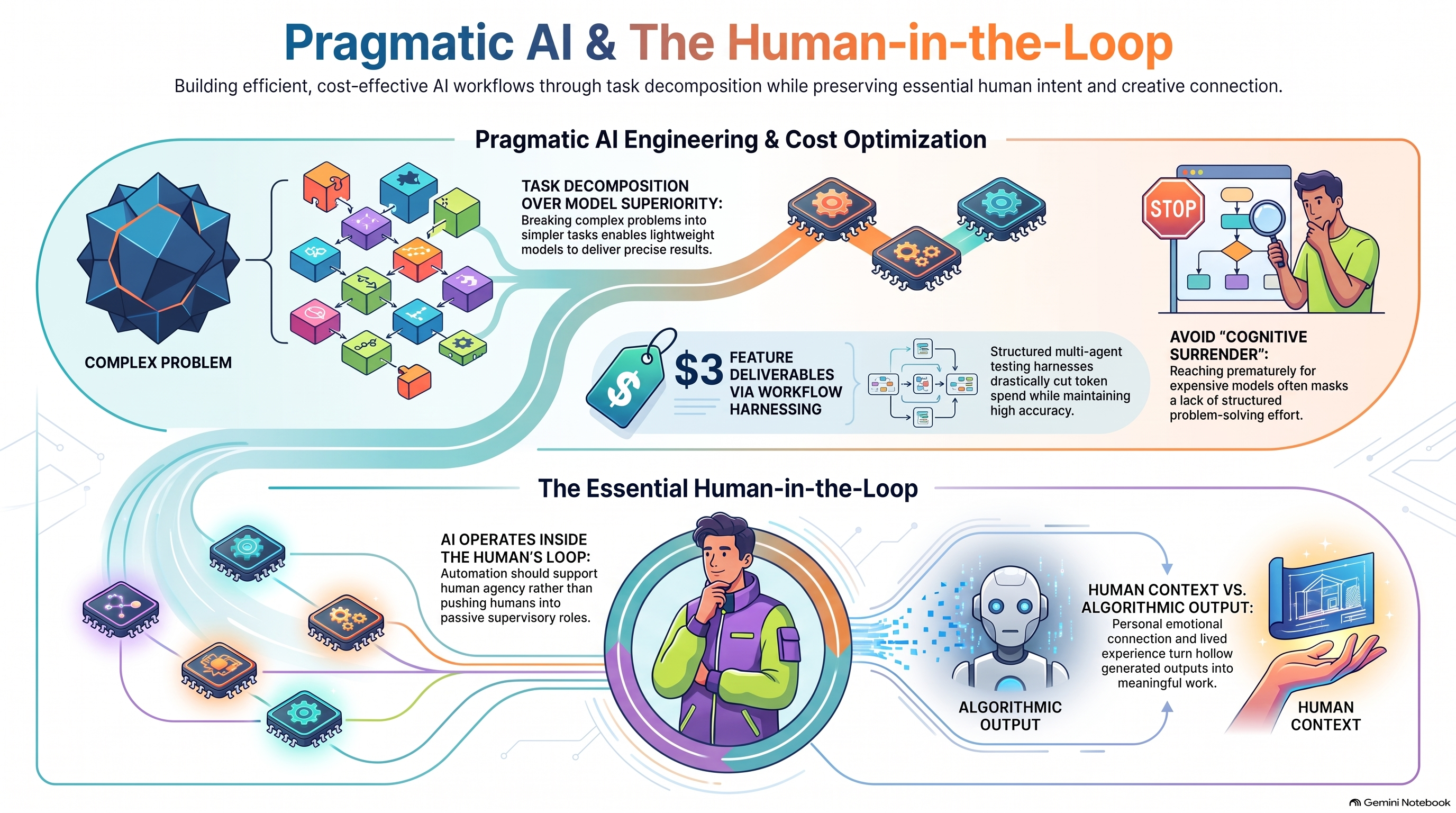
I took that journaling transcript and gave it to my tools. I did not tell them how to solve the problem. I handed over the workflows I had, described what I needed instead, and asked for help making it better. This is how I work with AI generally. I bring the messy thinking, and the AI helps me shape it into something I can actually use.
Version two: a project with a state engine
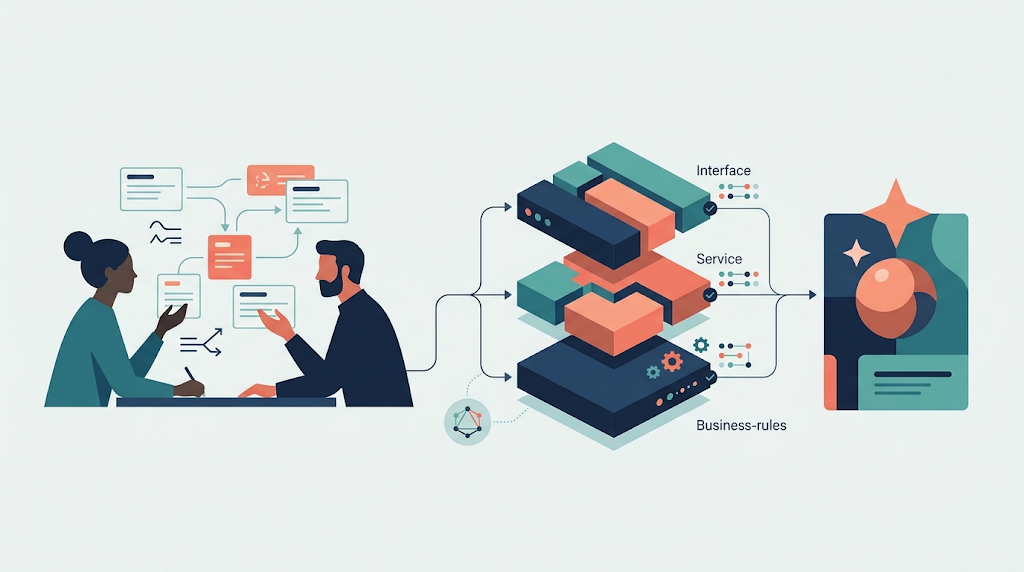
What came out was a different shape entirely. Instead of separate workflows, the system became organized around projects driven by a state engine. That state engine is a Python script called project.py, and it drives a post or series from beginning to end.
Now every post lives in a project folder with a project.json file as the source of truth. The post moves through a fixed set of stages: planning, drafting, editing, review, publishing, published, promoted. The skills I have do the work inside that project, and the state engine keeps track of where each one stands. I can look at a project and see exactly what the next step is, instead of remembering which workflow to run.

That shift matters more than it sounds. Version one was a list of steps I had to remember to run in order. Version two is a container that holds the whole life of a post and tells me where it is.

The friction that keeps it honest
The system is not perfect, and I found a friction the same week I switched. I published a post and then realized the project folders were not named for human retrieval. They were named by slug, which is great for a machine and not ideal when I want to find the thing I published a few hours ago by date.
That is a recurring thing. Do I want to ask the AI to find the post for me, or do I want to name the folders so a human can scan them? The honest answer is probably a balance of both, and the balance is something I am still working out. The point is that the system is meant to keep finding its own rough edges, because every improvement uncovers the next one. I wrote about this pattern of small initiatives settling into something real in AI Maturity, Building in Public, and the Ferrari Grocery Getter.
Why this series is the proof
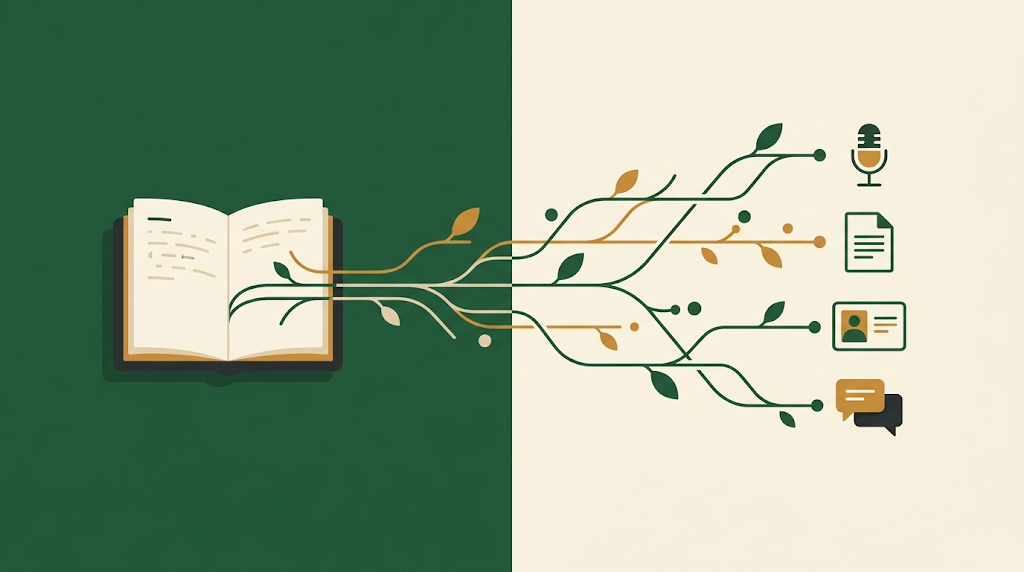
This series is the version two system doing its job. I gave it one long conversation and asked it to find the shareable ideas. It read the sources, proposed a cohesive series with callbacks and payoffs, scaffolded a project folder for every installment, and helped me draft them. The machine did not invent the thoughts. It gave my reflection a structure so the thoughts could become a set of posts instead of a pile of notes.

The 93 Posts and What I Learned About Systems post I wrote before the switch was really about the same lesson: a system only earns its keep if it keeps growing as your work grows.
A blogging system is never finished, and that is not a flaw. It is what happens when the work gets bigger than the tool you built for it. Version one was right for where I was. Version two is right for where I am now. The next version will be right for wherever the work takes me next, and I will not have designed it all in advance. I will have grown into it, one voiced journal and one friction at a time.
That is the same way this series grew. I planned a single anniversary post and a live demo. The conversation gave me more than I planned, so the system expanded to hold it. The system grew because the work grew, and that is exactly what a system should do.


Leave a Reply