I got an Azure certification. It’s the first one for me in 20 years. The last was the defunct MCSD.NET, back in the .NET 1.0 days. In 2007, I studied for the new certifications for the .NET 2.0 update, but I never took the exams.
So why revisit certifications?
Here are the main reasons, in order of importance:
- To adjust to recent changes to my team, I need to brush up on my Azure skills
- Having certified professionals helps the company
- It’s an addition to my resume
But beyond that, I like setting goals that allow me to practice other things. I also wanted to practice challenging my beliefs and strategic underachievement this time.
Challenging my own beliefs
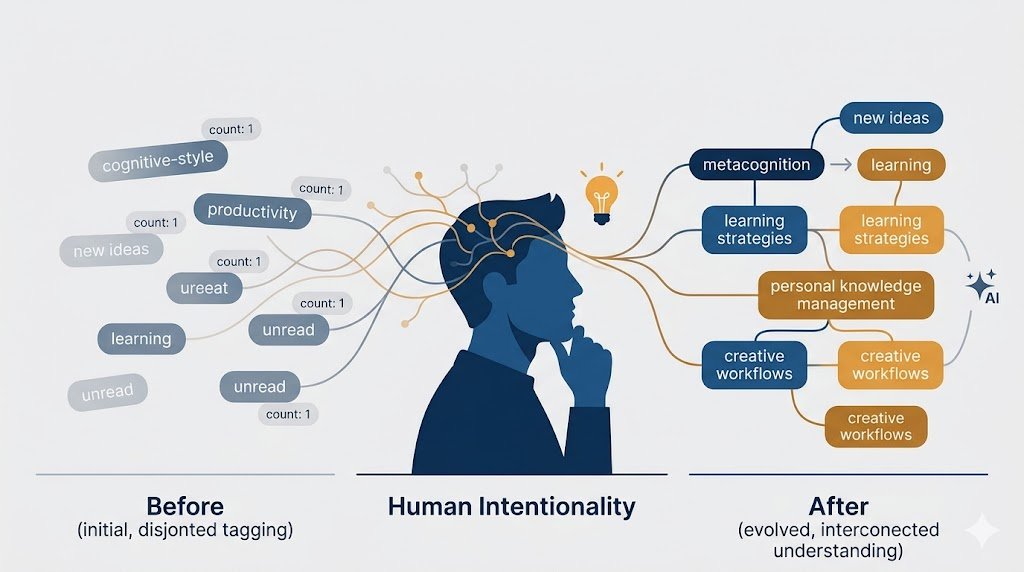
Mark Mason has a good video on challenging one’s beliefs. I took note and made a point to myself to revise my beliefs.
In 2011, I posted my thoughts about certifications. Since then, anytime the topic of certification came up, those were the thoughts I’d immediately say out loud, without even asking myself if they were still true.
It was time to challenge my own beliefs.
So, I re-read my posts on the subject and others I wrote around the same time, which helped me remember where I was in my professional life.
I then decided to study and take an exam to see how it is nowadays.
In summary:
- The quality of both the questions and the software we use to take the exam has improved
- It’s a good way to focus on learning or reviewing something, even though not all of it applies to what I do.
- I still recommend that study groups to learn the content from different perspectives while helping others achieve their goals.
Another thought I had while going through the course material is that a lot of the content gets me bored, and it reminded me of a decision I made 30 years ago about what aspects of IT I wanted to focus on (namely, software development with a focus on solving people’s problems). Some elements of that content reminded me that for each thing that either gets me bored or uninterested, there are professionals out there who are passionate about it, so I need to know who they are when I need help with it.
Strategic Underachievement
Reading Four Thousand Weeks: Time Management for Mortals reminded me that sometimes good enough is good enough. I can’t excel at everything. I should consciously decide what I want to excel at and then define what supporting goals can be set up for strategic underachievement.
That’s how I’ve set my goal for this certification.
To execute it in alignment with that expectation:
- I watched a preparatory course on Udemy at 2x speed
- Whenever needed, I either slowed down or paused the video, paid attention, and took notes
- If a topic applied to my current project, I tagged my notes with the project
- I took the practice test 3 times to make sure I had a decent score, as well as knowledge of a good number of potential questions asked in the actual exam
- When I hit a decent score on the 2nd practice test, I scheduled the actual exam for the following week
- I practiced the exam software sandbox to become familiar with it
- I took the exam in person instead of online to eliminate the 30 minutes necessary to prepare the environment and validate with the proctor
I (barely) passed the exam. It is good enough. The entire process and results met the expectations I set.
Celebrate the win. Reflect. Move on. Revisit it in the future as needed.



Leave a Reply