
What Sparked This Post
Watching Kevin Jourdain’s talk, From Workflow to ‘Work-Done’: Practical Paths to Agentic AI, I found myself connecting his ideas to my own evolving way of working.
Over the past several sprints, I’ve been shifting more and more of my work to AI assistance tools. That shift has changed how I:
- Think about my role
- Decide what to offload
- Collaborate with AI to achieve better outcomes
What the Talk Was About
Kevin’s talk explored how organizations can transition from manual workflows and fragmented bots to agentic AI systems—tools that perceive context, reason in terms of goals, and act autonomously, with humans providing oversight at key decision points.
He outlined a practical playbook for moving from proof-of-concept experiments to production-ready solutions, emphasizing:
- ROI and reliability
- Governance
- The unbundling of roles into goals and tasks, then rebundling them into software-managed outcomes
Why It Resonated With Me
In my own work, I’ve been running a similar process in miniature:
- Identify tasks I can hand off to AI tools each sprint
- Review their output and note where it falls short
- Document clear instructions to improve results next time
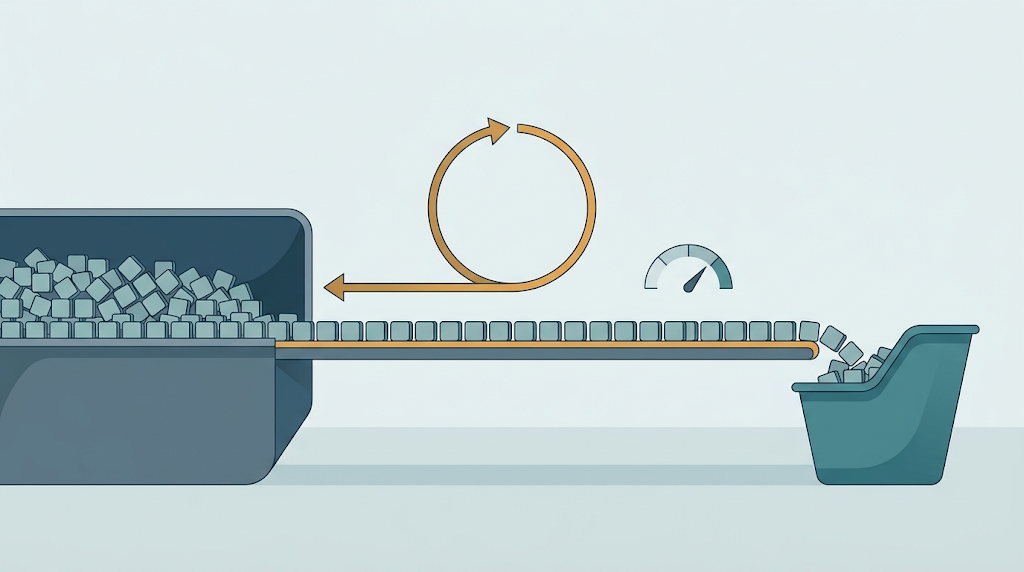
Over time, this cycle of delegation → review → refinement has shifted how I work. Tasks that once consumed a lot of my attention now run in the background, freeing me for higher-level priorities.
Kevin’s point about consulting as outcomes—“service as software” rather than “software as a service”—reminded me of a turning point in 2011. Back then, as an independent consultant, I read the free e-book Breaking the Time Barrier by Mike McDerment and Donald Cowper. That book changed my pricing approach:
- Instead of leading with an hourly rate, I focused on the value I could deliver
- Framing the conversation around value made cost secondary, because the client could see the outcome’s importance
The talk also reinforced the importance of human-in-the-loop checkpoints. In my current projects, we deliberately design AI workflows with built-in pauses for human review. For example:
- The AI designs an API endpoint
- It stops and requests our feedback
- We refine the design, ask questions, and then let it proceed
These check-in points are essential to making AI a trustworthy collaborator rather than a black box.
What I’m Still Thinking About
Kevin’s framework for identifying “decision locus” points—the exact moments where business state changes—feels like a powerful lens. I’m considering:
- Applying this thinking to consulting engagements
- Framing my services around decision points and the outcomes they drive
I’m also reflecting on how the POC → Pilot → Production mindset applies beyond AI adoption. In many areas, this discipline could prevent “cool demo” traps and lead to sustainable improvements.
Want to Watch It?
Watch Kevin Jourdain’s Improving Talk here


Leave a Reply