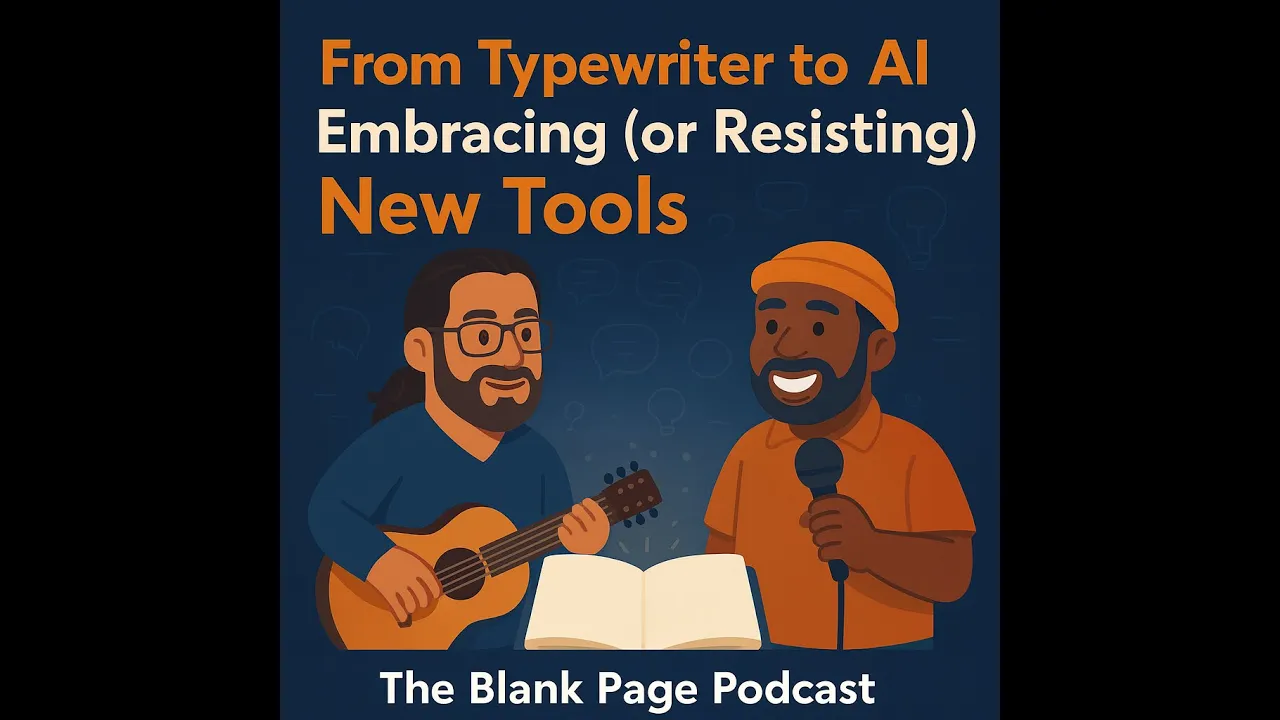
In the very first episode of The Blank Page Podcast, Matthew and I sat down to explore a theme that keeps surfacing in our conversations: how people respond to new tools. Whether it’s the leap from typewriters to computers, or today’s shift into AI-assisted development, one thing remains the same—resistance is natural, but so is adaptation.
Tools and Attitude
We discussed how some see tools like AI as threatening, while others see them as empowering. The difference often comes down to attitude. Just like a carpenter choosing between a manual screwdriver and a power drill, the choice isn’t about the tool itself but about whether you’re open to using the best tool for the job.
Resistance and Fear
Resistance to new tools isn’t always about the tools. Sometimes it’s about deeper fears: fear of change, fear of being replaced, or even fear of being unprepared. We drew parallels between developers resisting AI, musicians reacting to drum machines or click tracks, and the way office workers once approached typewriters and computers.
Journaling and Clarity
We also talked about the value of journaling—whether by hand, voice, or device—as a way to bypass self-editing and find clarity. Tools like the ReMarkable tablet or simple voice recording can help us slow down, reflect, and see our thoughts more clearly without distraction.
Public Speaking and Growth
The conversation also touched on personal growth. Matthew shared how his fear of public speaking led him to confront it head-on by practicing, preparing, and ultimately reframing it as a skill he could improve. That theme of growth through discomfort runs parallel to adopting new tools: it’s less about the tool itself and more about how we choose to face what challenges us.
This episode set the stage for what The Blank Page Podcast is all about—open conversations about learning, creativity, tools, and the ways we grow when faced with resistance.
🎥 Watch the full episode here:


Leave a Reply